


Liaison office of Grand Ayatullah Sayyid Ali Al Sistani (L.M.H.L) in London, Europe, North and South America.
- Activities
- 30 Jumada II 1447
The Representative of the Supreme Religious Authority in Europe Congratulates Muslims on the Arrival of the Month of Rajab and Calls Them to Benefit from Its Spiritual Atmosphere and Sacred Occasions
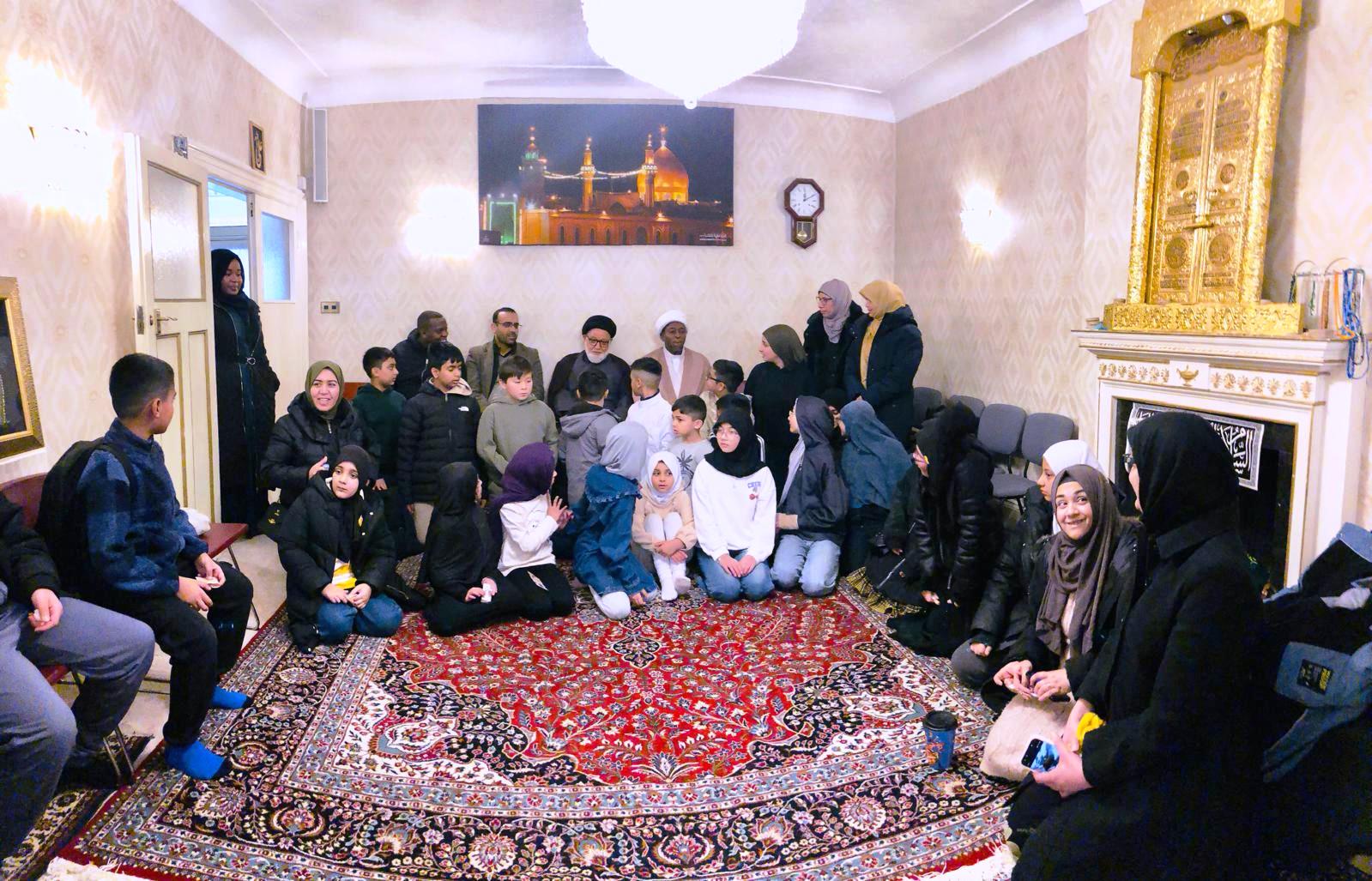
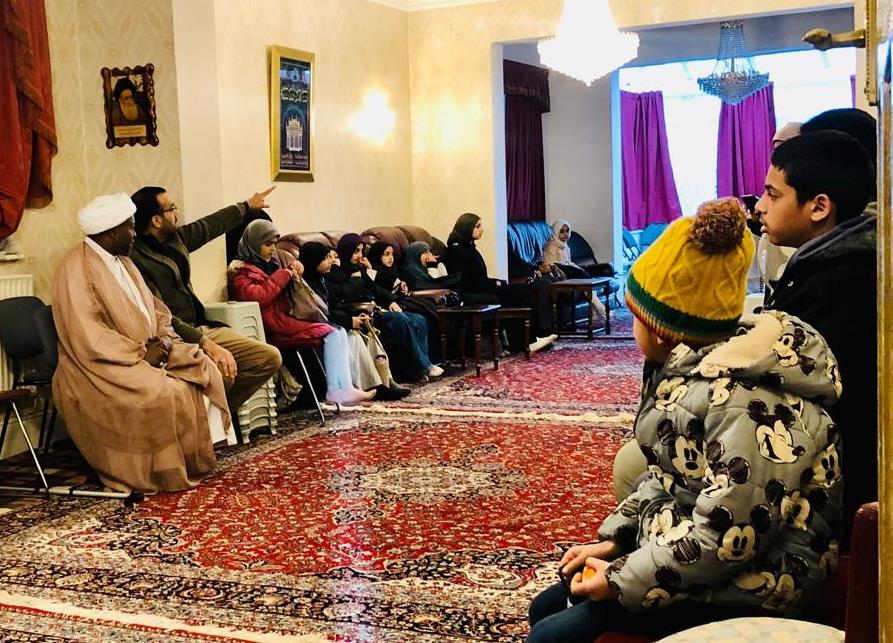
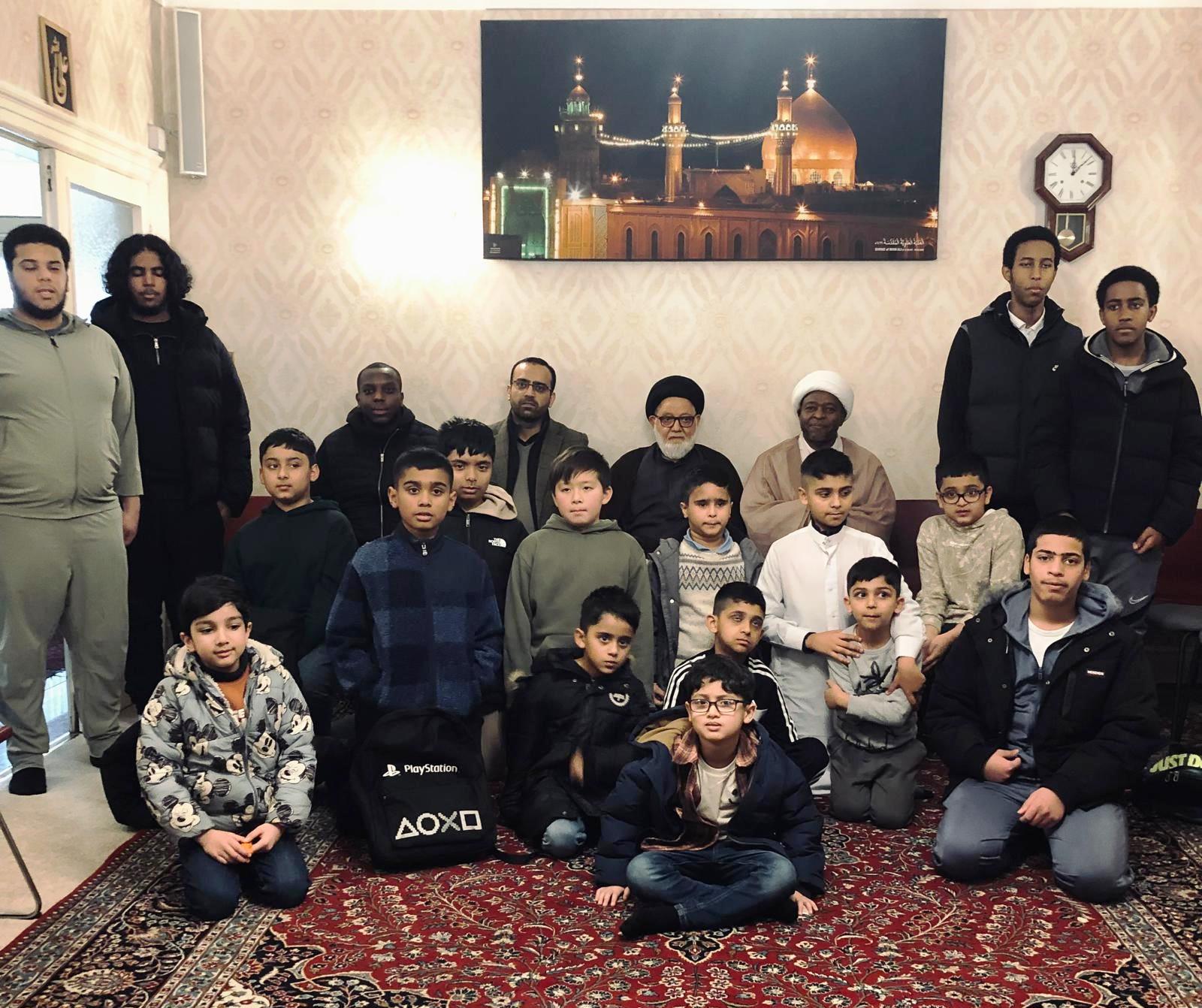
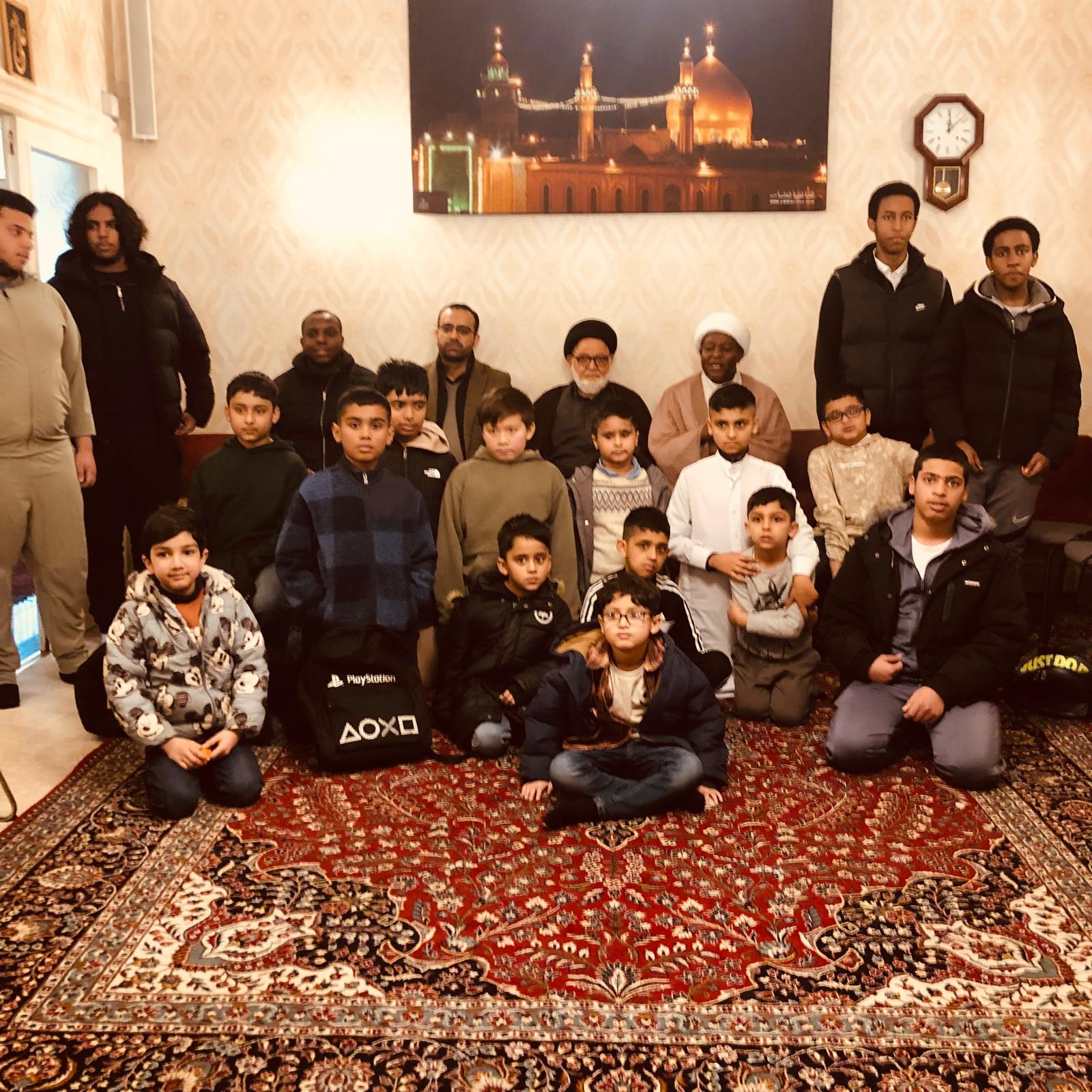
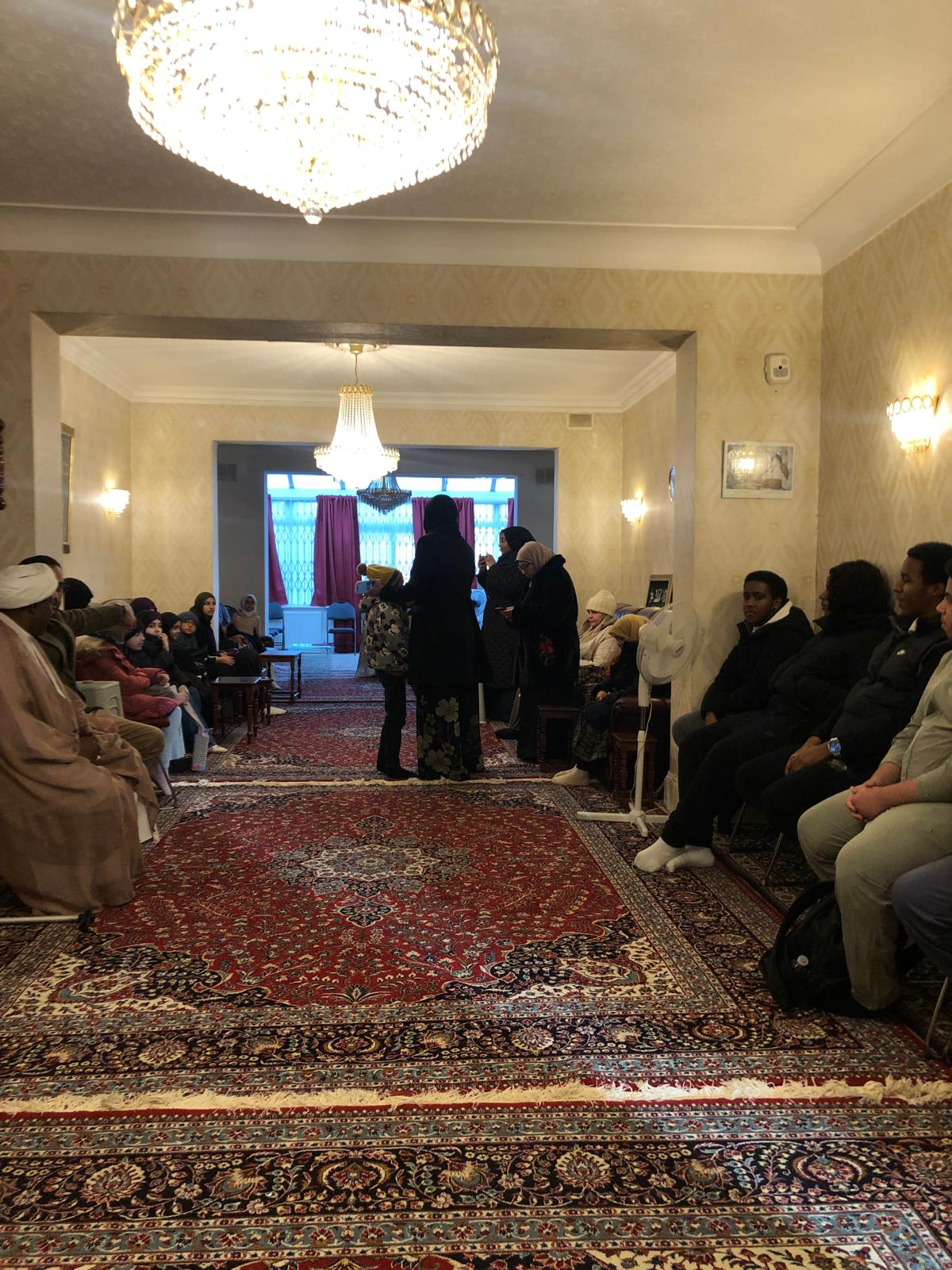
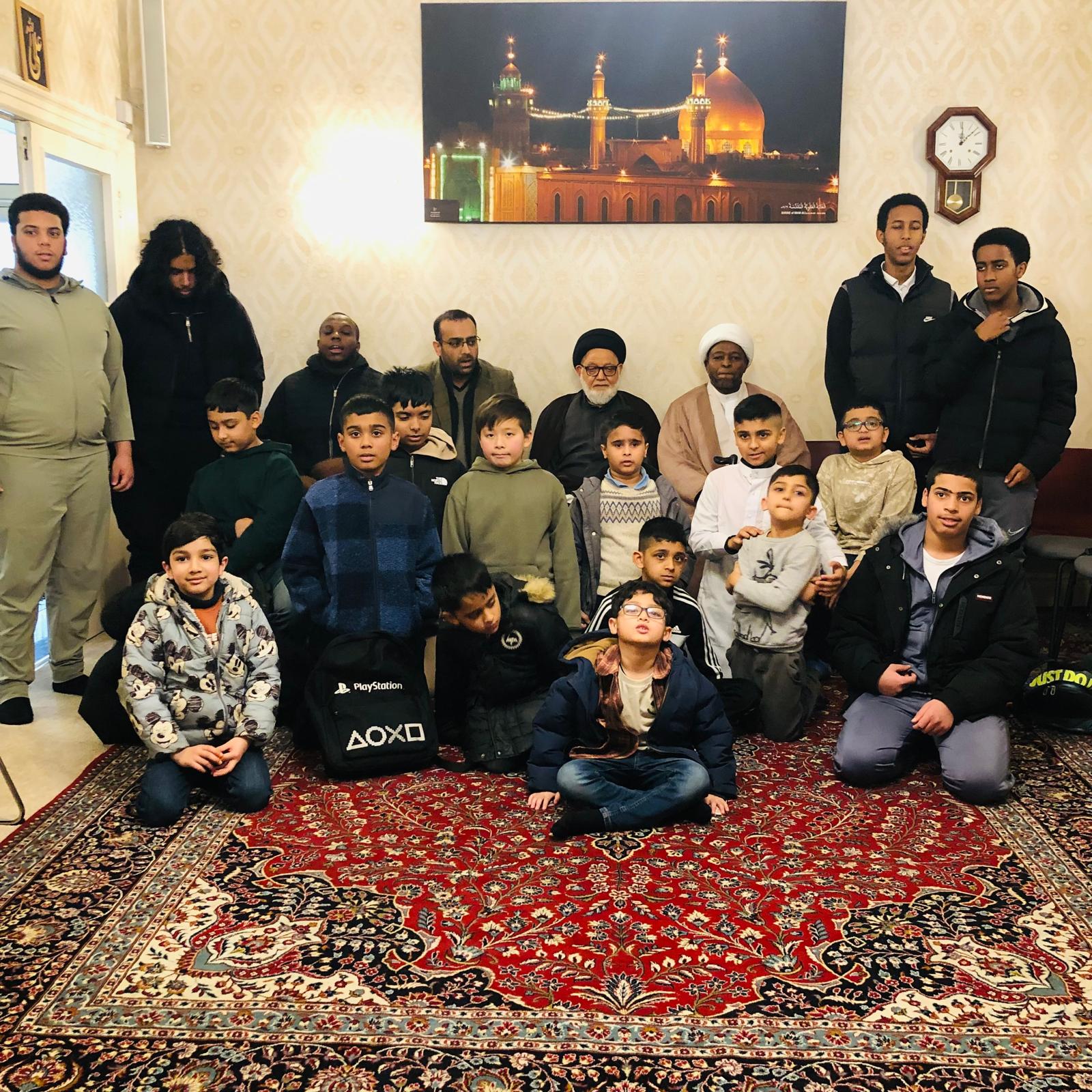
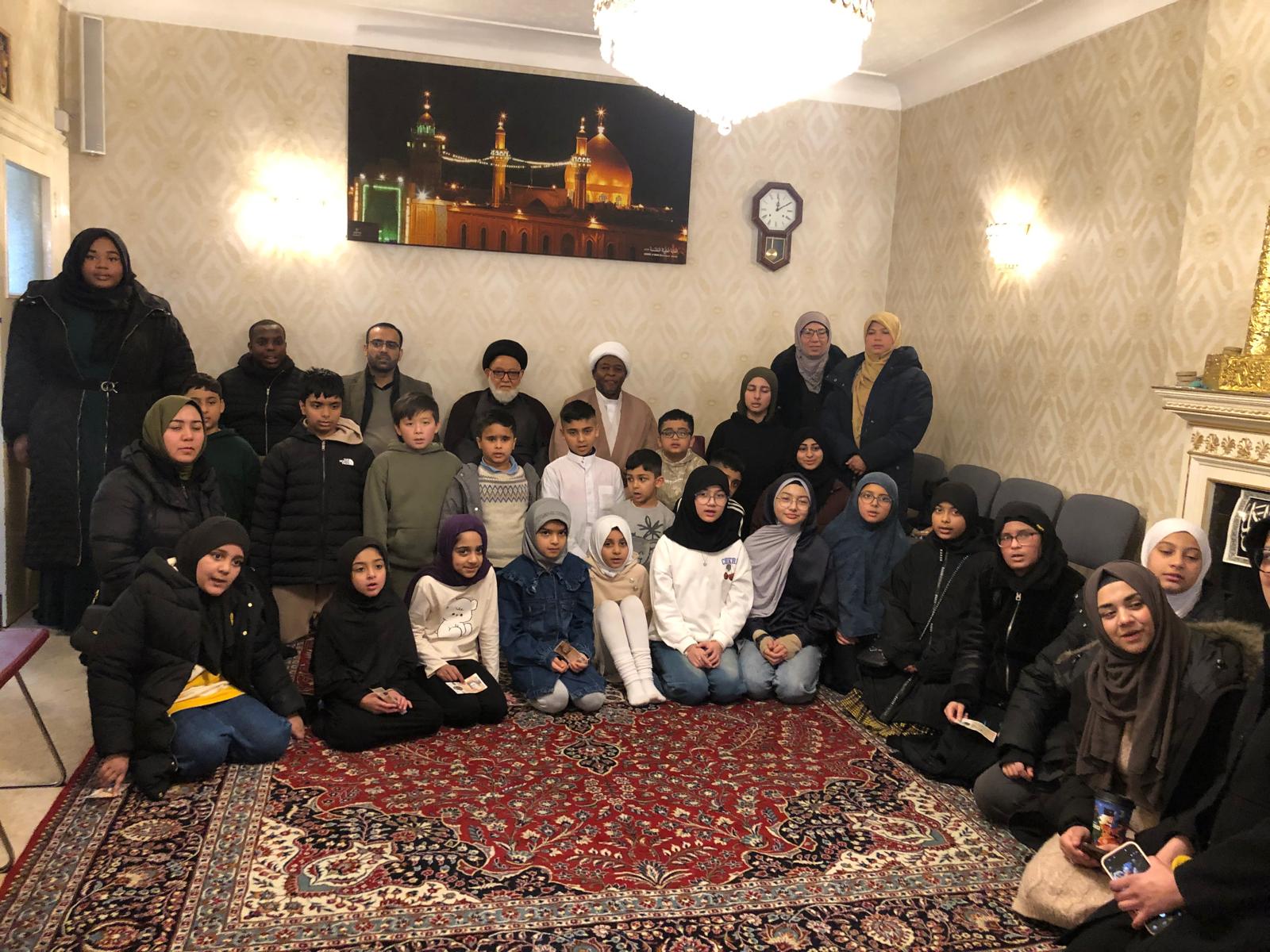
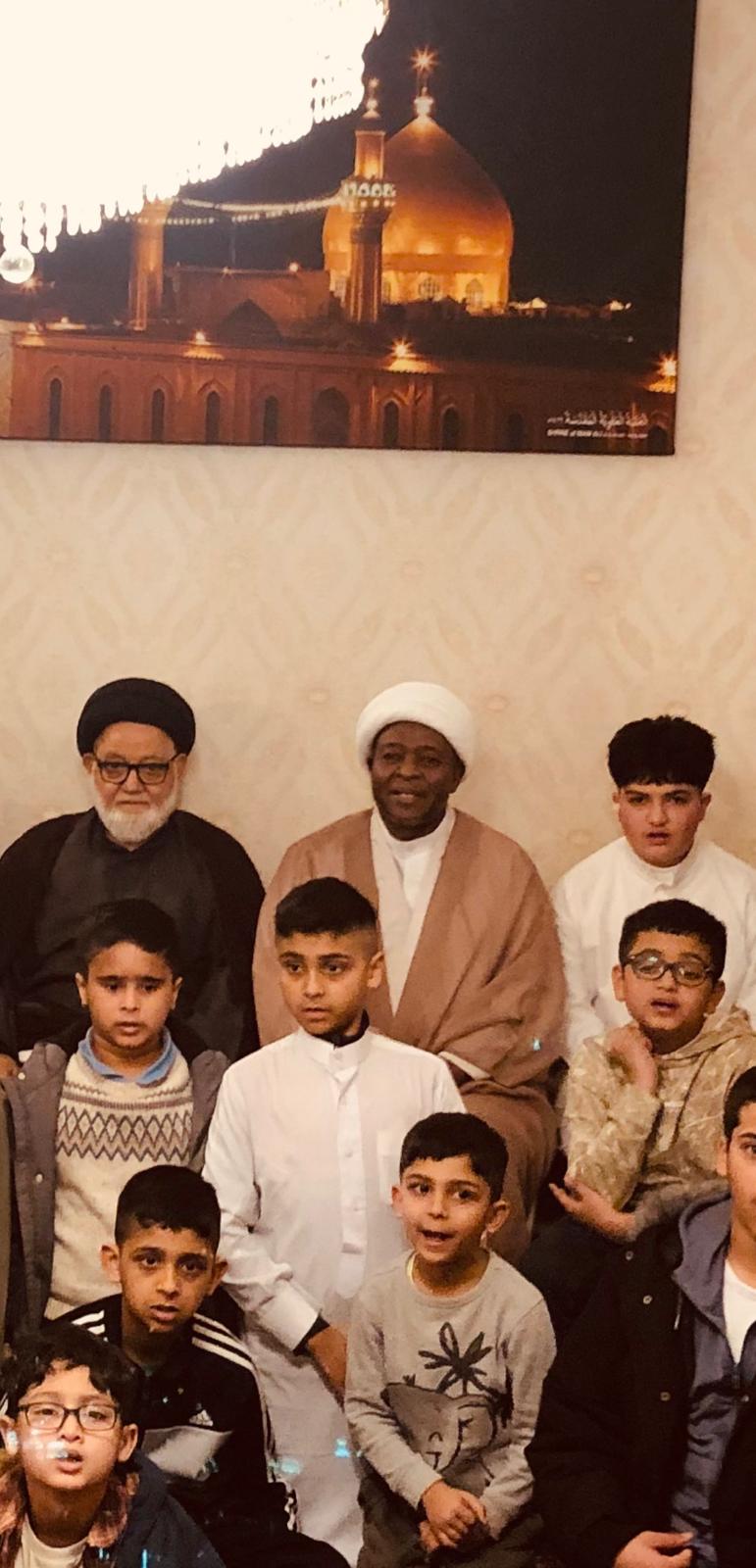
In the presence of a group of teachers and students from the Ahl al-Bayt (peace be upon them) Islamic School in East London, who visited him to extend their congratulations on the approaching month of Rajab, the Representative of the Supreme Religious Authority welcomed them and stated:
The month of Rajab is among the greatly revered months of Allah and one of the sacred months. It holds a distinguished status and a unique position among the months. For this reason, Imam Ali, the Commander of the Faithful (peace be upon him), said: “Rajab is my month, Sha‘ban is the month of the Messenger of Allah (peace be upon him and his family), and Ramadan is the month of Allah.”
It is also reported from Imam al-Kadhim (peace be upon him): “Rajab is a great month in which Allah multiplies good deeds and erases sins. Whoever fasts one day in Rajab, the Fire will be kept a year’s distance away from him; and whoever fasts three days, Paradise becomes obligatory for him.”
This month is known as Rajab al-Asabb (the Pouring Month), because Allah pours His mercy and forgiveness upon His servants during it. It is one of the seasonal months of worship in Islam, in which acts of devotion and obedience are intensified. This naturally raises an important question: Are not all days and months seasons of worship in Islam?
The answer is yes. Every day is a day of worship, and every month is a season of devotion. However, there are times when worship is emphasized and rewards are multiplied. The month of Ramadan, for example, holds a special status in which rewards are greatly increased. Every night is an opportunity for worship, yet Laylat al-Qadr is better than a thousand months. Every day is an act of devotion, yet the Day of ‘Arafah and Friday hold a unique position. Friday is described in hadith as “the master of days and the greatest of them in the sight of Allah.” Imam al-Baqir (peace be upon him) said: “The sun has not risen upon a day better than Friday.” And Imam al-Sadiq (peace be upon him) said: “Whoever encounters Friday, let him not busy himself with anything other than worship, for on it servants are forgiven and mercy descends upon them.”
When we speak of seasonal worship, we do not mean restricting worship to certain times. Rather, these seasons are spiritual stations where believers recharge themselves with spiritual energy. The path to Allah is long, demanding, and difficult, and it requires spiritual fuel to continue forward, as Allah says: “O human being, indeed you are laboring toward your Lord with exertion and will meet Him.”
Those who walk the path of Allah face many obstacles: Satan, who said, “I will surely sit in ambush for them on Your straight path”; tyrannical forces that seek to block the servants of Allah through oppression and intimidation; and desires and temptations that divert people from obedience to Allah. For this reason, spiritual nourishment is essential—without it, a person weakens and may fall.
Thus, the month of Rajab is one of these spiritual stations that provide believers with renewed strength through the various acts of worship prescribed in it, such as reciting the Qur’an, giving charity, and performing good deeds that draw one closer to Allah. Among the recommended acts in Rajab are:
1. Fasting, which carries immense reward. The Prophet (peace be upon him and his family) said: “Whoever fasts one day in Rajab with faith and sincerity is forgiven.”
Other narrations mention increasing rewards with additional days of fasting, including protection from Hellfire, forgiveness of sins, safety from afflictions, and reward equivalent to the righteous.
2. Specific prayers prescribed for each night of Rajab.
3. Frequent recitation of Surah al-Ikhlas (Qul Huwa Allahu Ahad), whose reward is immense. It is narrated that reciting it once is equivalent to one-third of the Qur’an, twice equals two-thirds, and three times equals the entire Qur’an. The Prophet (peace be upon him and his family) likened Imam Ali’s status in the Ummah to this surah, emphasizing love, loyalty, and faith.
4. Seeking forgiveness (Istighfar) one hundred times daily, morning and evening:
“Astaghfiru Allah alladhi la ilaha illa Huwa wahdahu la sharika lah wa atubu ilayh.”
5. Recitation of the Qur’an.
6. Sending blessings upon Muhammad and the family of Muhammad, as Imam al-Rida (peace be upon him) said: “Whoever is unable to atone for his sins, let him increase in sending blessings upon Muhammad and his family, for it destroys sins completely.” This must not be done in a truncated form, as the Prophet said: “Do not send upon me an incomplete blessing.”
7. The supplication after every prayer beginning with: “O You whom I hope for every good and from whose anger I am secure at every evil…”
8. The Rajab visitation (al-Ziyarah al-Rajabiyyah). There are many other supplications and acts of worship prescribed for the month of Rajab, which can be found in books of supplication. Whatever a believer is able to perform during this month carries great reward. How much we are in need today of these spiritual atmospheres that draw us closer to Allah, so that He may shower us with His mercy and grace—for He is vast in mercy and immense in bounty.
In conclusion, the month of Rajab includes great occasions, such as the birth of Imam Ali (peace be upon him), the Prophetic mission (Bi‘thah), the passing of Lady Zaynab daughter of Imam Ali (peace be upon her), the martyrdom of Imam Musa ibn Ja‘far (peace be upon him), the passing of Abu Talib (may Allah be pleased with him), and the Night Journey and Ascension (Isra’ and Mi‘raj). These are all opportunities for reflection, emulation, and renewal of loyalty to the Imams of Ahl al-Bayt (peace be upon them).
We ask Allah, the Exalted, to grant us success in performing the deeds of this blessed month and standing in worship during its nights. Indeed, He is All-Hearing and Responsive.



×![]()