


Liaison office of Grand Ayatullah Sayyid Ali Al Sistani (L.M.H.L) in London, Europe, North and South America.
- Activities
- 16 Rajab 1447
The Iraqi Cultural Attaché and Consular Staff Visit Imam Ali (A.S.) Foundation in London
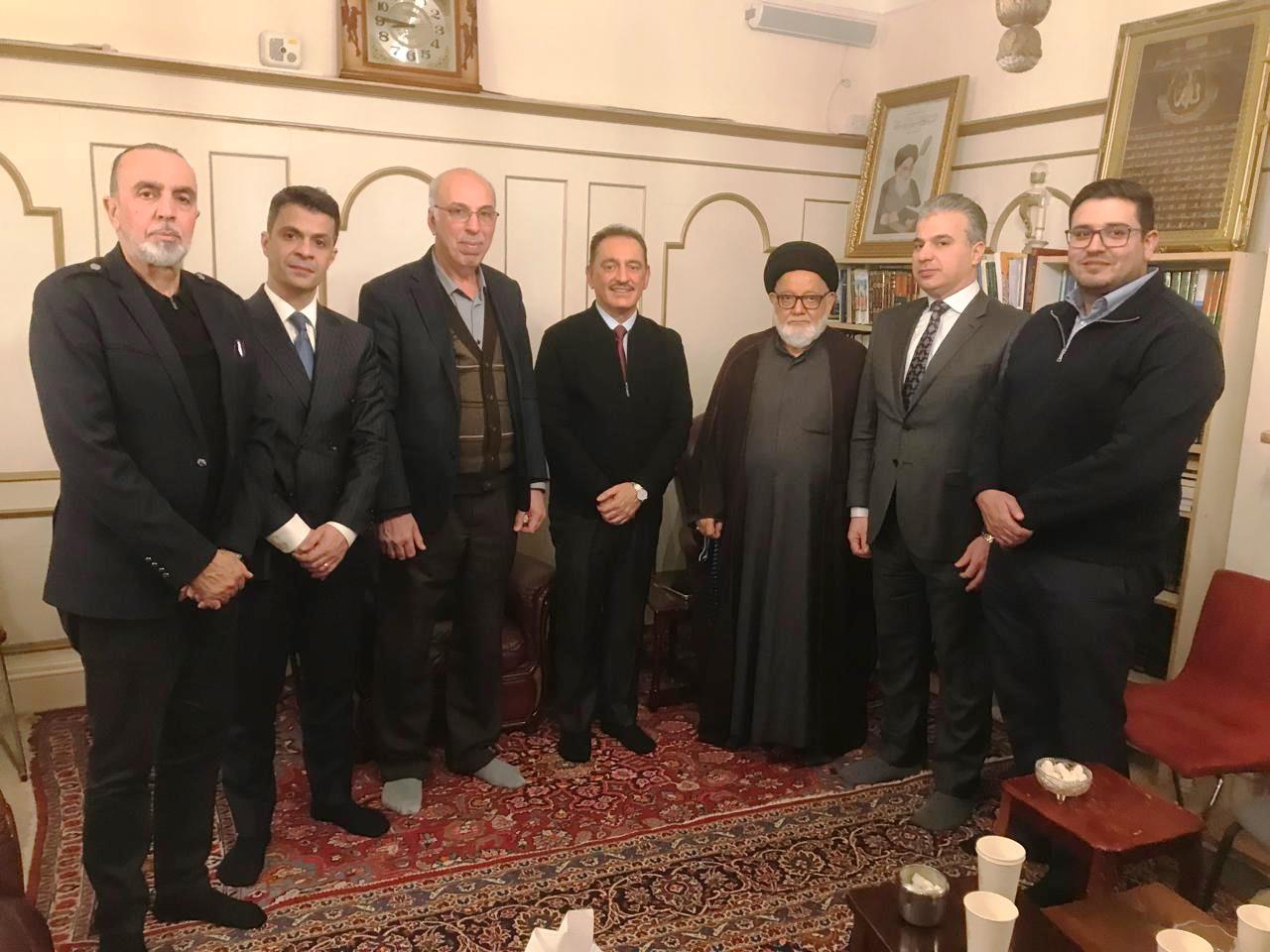
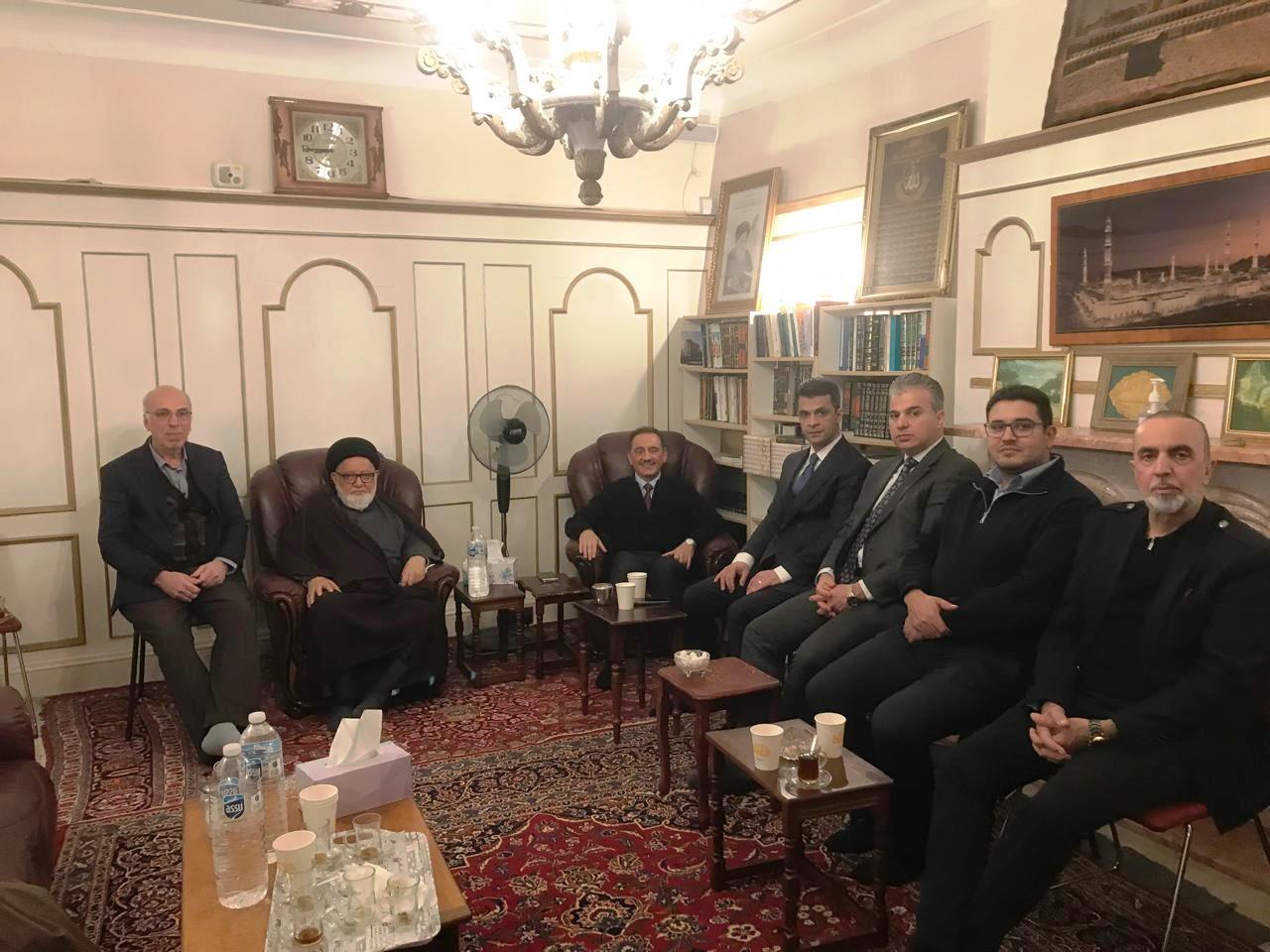
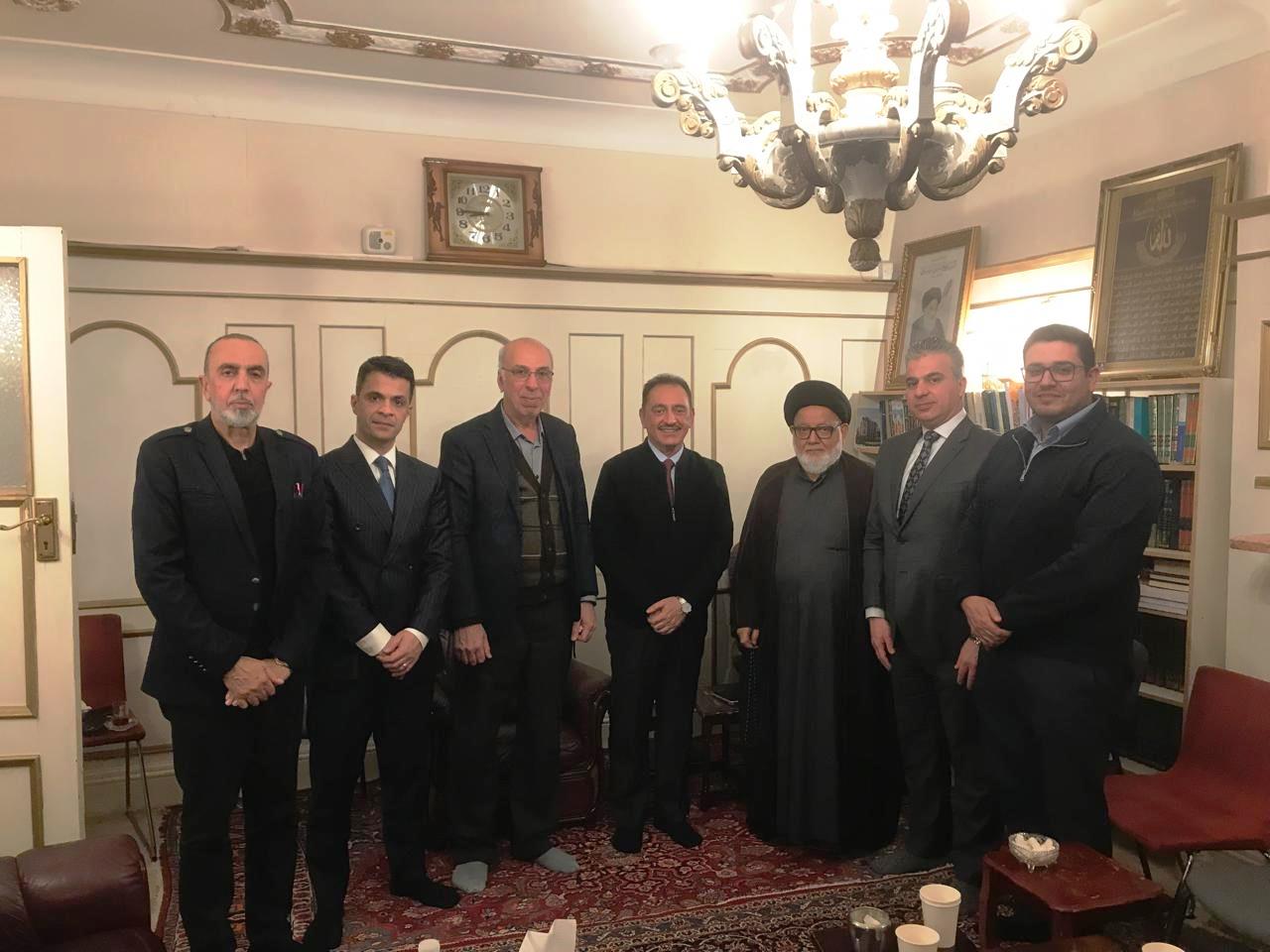
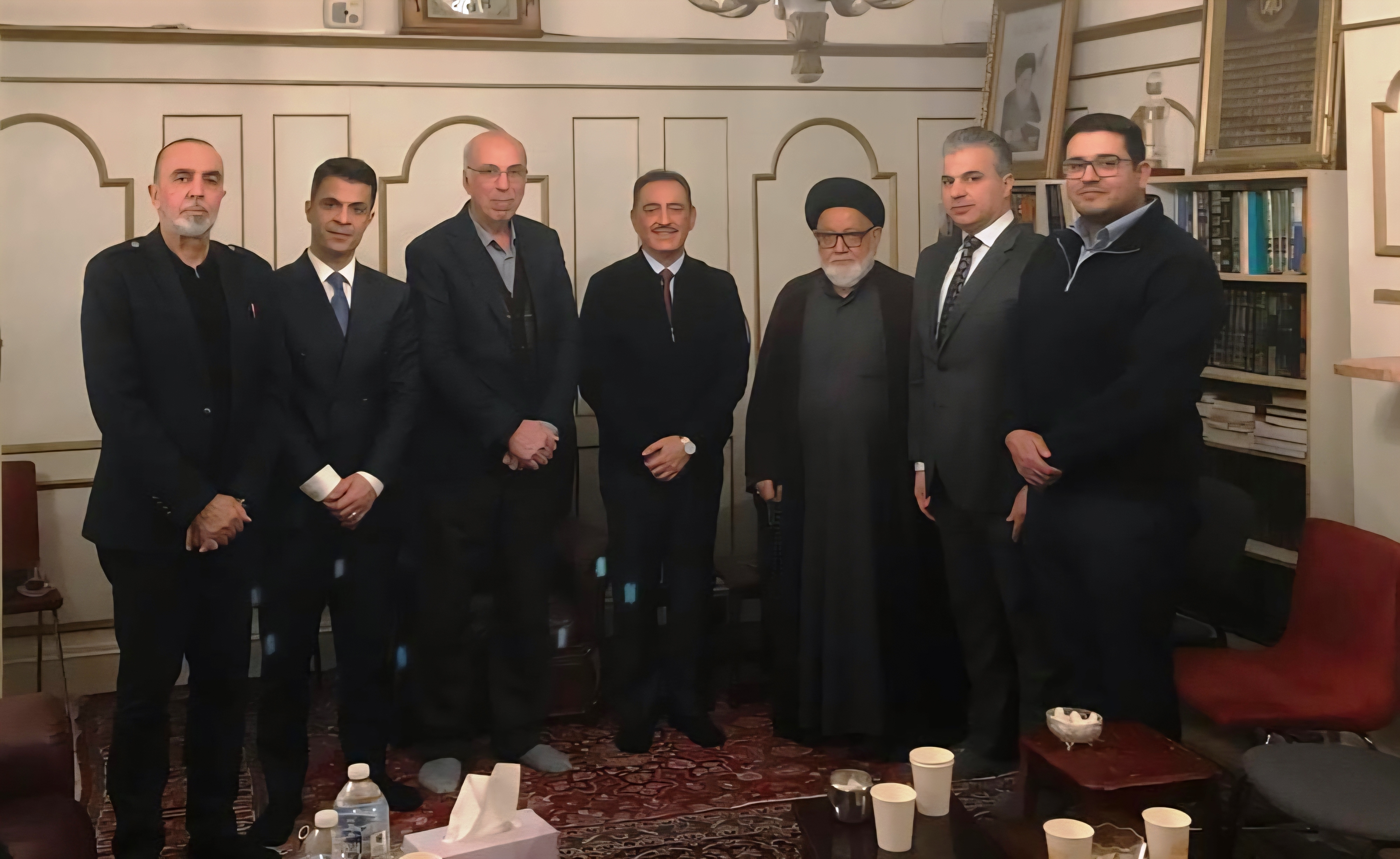
On January 7, 2026, the Iraqi Cultural Attaché, Dr. Qusay Kamal al-Deen, along with the Iraqi Consul and members of the diplomatic corps, paid a visit to the Imam Ali (A.S.) Foundation in London. They were received by His Eminence Sayyid Murtada al-Kashmiri, who warmly welcomed the delegation and listened to a detailed presentation by Dr. Qusay regarding the University of Mosul, where he had served as president for an extended period.
Dr. Qusay spoke at length about the tragedies that befell this major academic institution, including the burning of the university library, which housed nearly one million books, the destruction of its buildings and internal departments, and the devastation of everything associated with the university.
He emphasized that the university did not belong to any particular group, religion, or sect, as knowledge is a light from which all benefit regardless of background or affiliation.
Despite these immense losses, and through tireless efforts and cooperation with others, he was able to rebuild the university without imposing any financial burden on the Iraqi state.
Among the most significant points he raised was the extreme brutality of ISIS, which deliberately burned and destroyed books, leaving nothing intact, and attempted to erase every trace of Mosul’s civilization.
He also referred to their barbaric treatment of Iraqis, including killings, violations of honor, looting of property, and destruction of infrastructure in Mosul, in addition to other atrocities too grave to recount. May God protect people and lands from such evils and those like them.
The Imam Ali (A.S.) Foundation emphasized that one of the most important roles of a cultural attaché, one of the most significant diplomatic positions with an intellectual and civilizational character, is not limited to managing student affairs and academic missions alone. Rather, it extends to serving as an effective bridge between Iraq and its academic and cultural institutions on one side, and the scientific and cultural community of the host country on the other. This responsibility is particularly significant in the United Kingdom, given its academic weight and long-standing scholarly tradition.
Accordingly, the responsibilities of the Iraqi Cultural Attaché are greatly magnified, necessitating a set of key guidelines to help ensure the highest standards of efficiency and responsibility, including:
• Understanding the unique characteristics of the British environment
• Providing proper care and support for Iraqi students
• Adhering to transparency and integrity
• Strengthening academic relations
• Representing Iraqi culture in an honorable manner
• Complying with laws and regulations
• Continuous self-development and skills enhancement, particularly in administration, communication, language proficiency, and understanding modern educational systems
Continuous learning equips the cultural attaché with greater capacity to address challenges and make sound decisions.
The Iraqi Cultural Attaché in the United Kingdom bears a great trust that goes beyond traditional job duties.
He is responsible for Iraq’s academic and cultural image, for caring for Iraqi students, and for building bridges of cooperation with one of the world’s leading countries in higher education.
By adhering to these principles and guidelines, the cultural attaché can effectively fulfill his role, contribute meaningfully to serving Iraq, enhance its standing among nations, and reinforce the values of knowledge and culture as pathways to progress and development.
We wish Dr. Qusay Kamal al-Deen every success in carrying out his duties in a manner that raises the name of Iraq high and places it among the ranks of advanced nations.
Indeed, God is the Grantor of success.
×![]()