


Liaison office of Grand Ayatullah Sayyid Ali Al Sistani (L.M.H.L) in London, Europe, North and South America.
- Activities
- 27 Shabban 1447
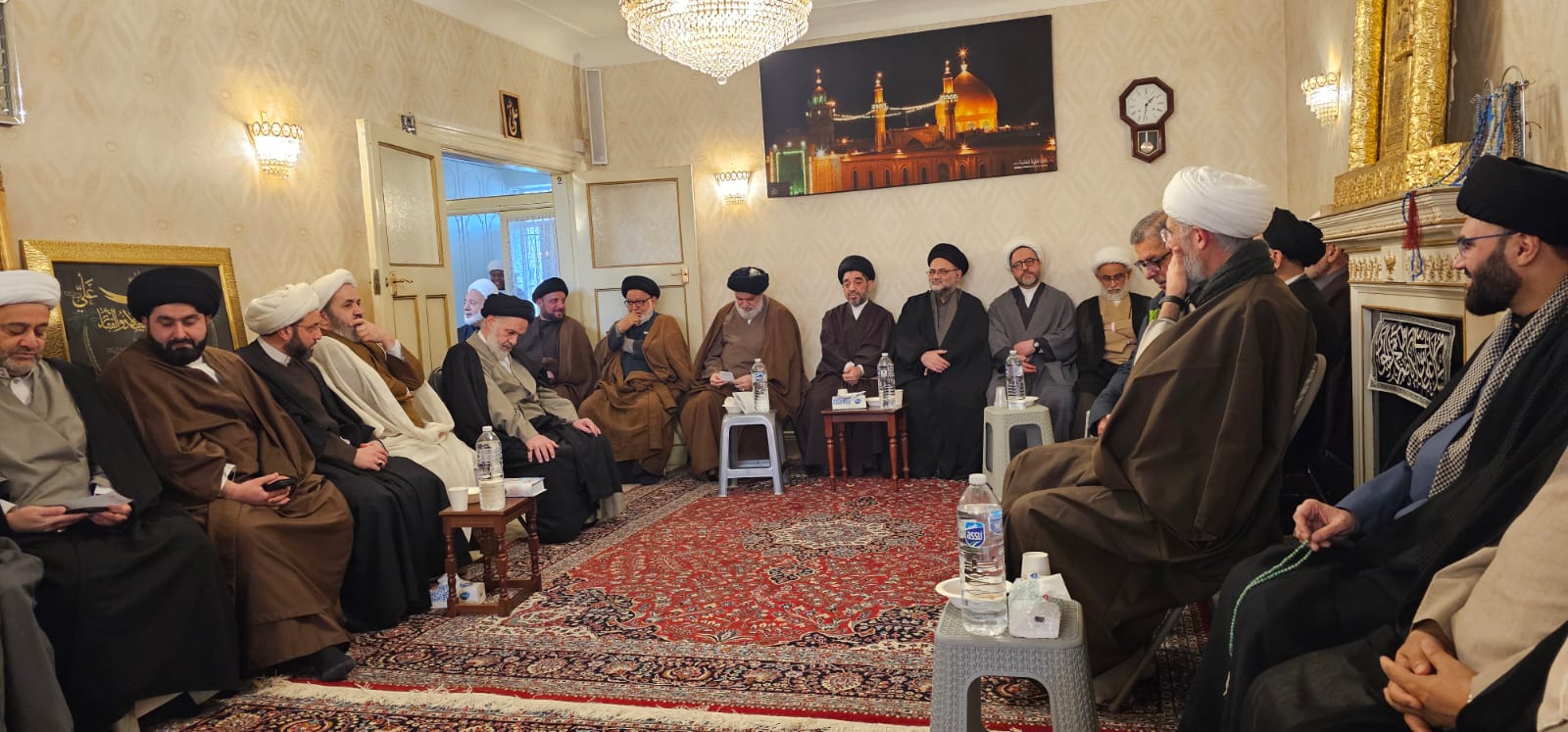
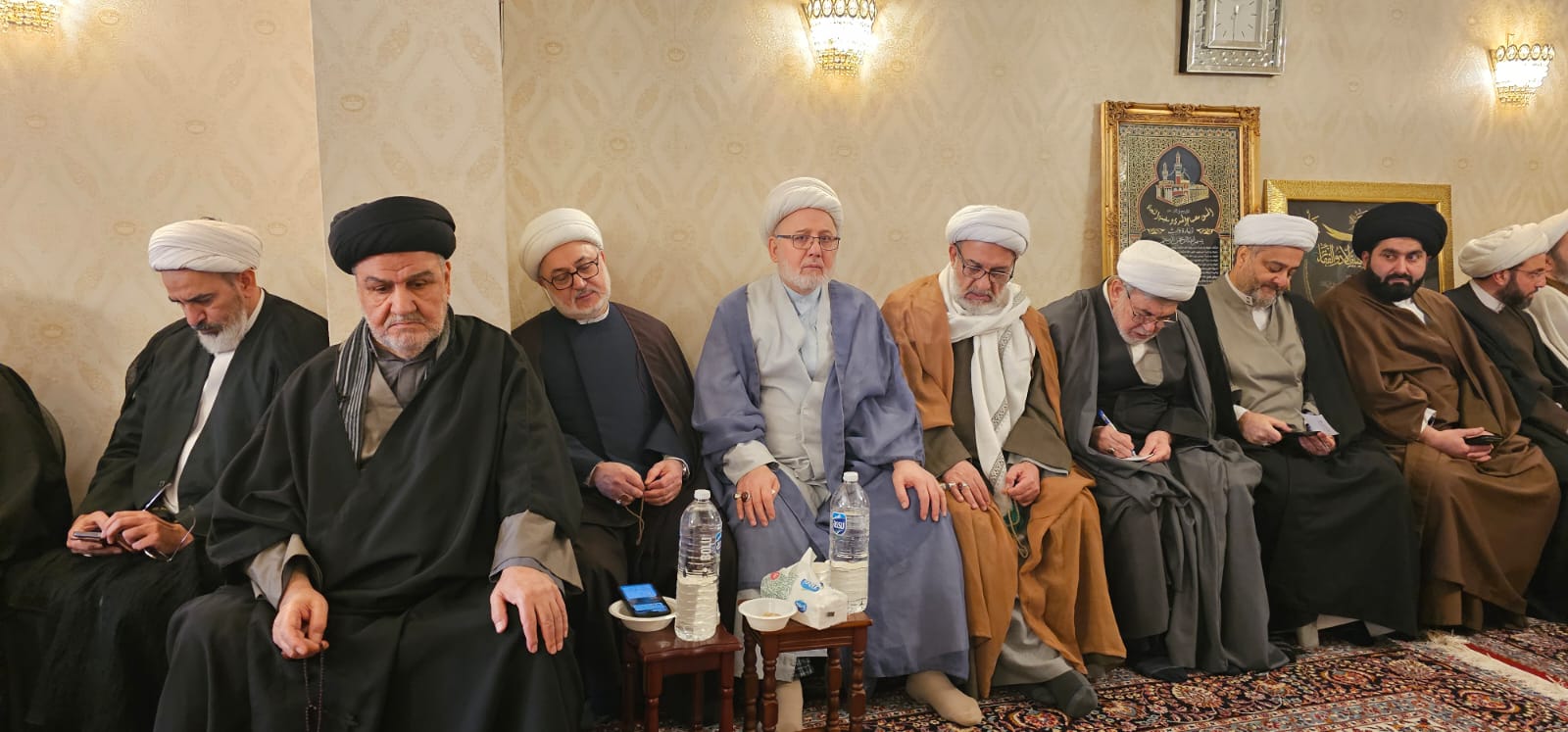
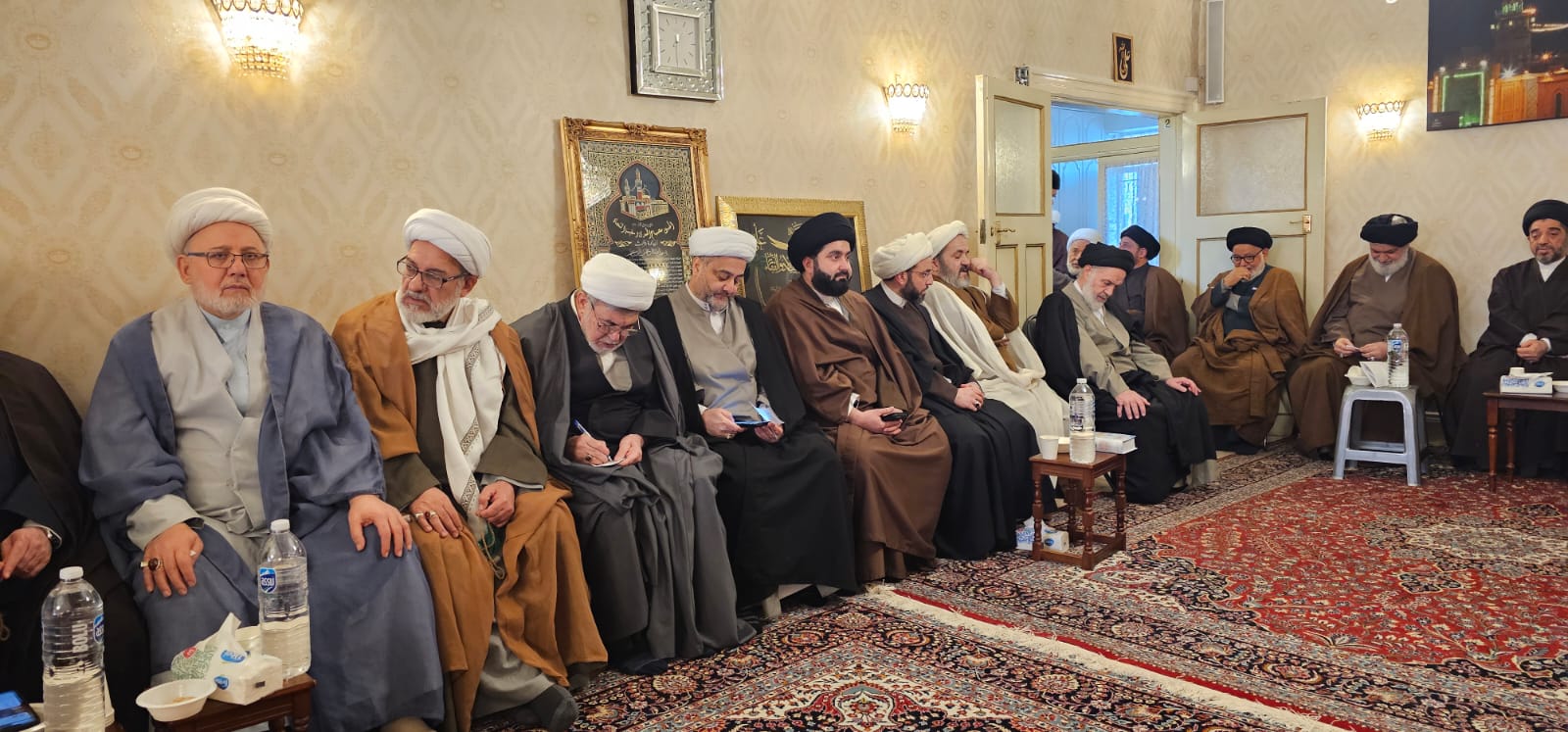
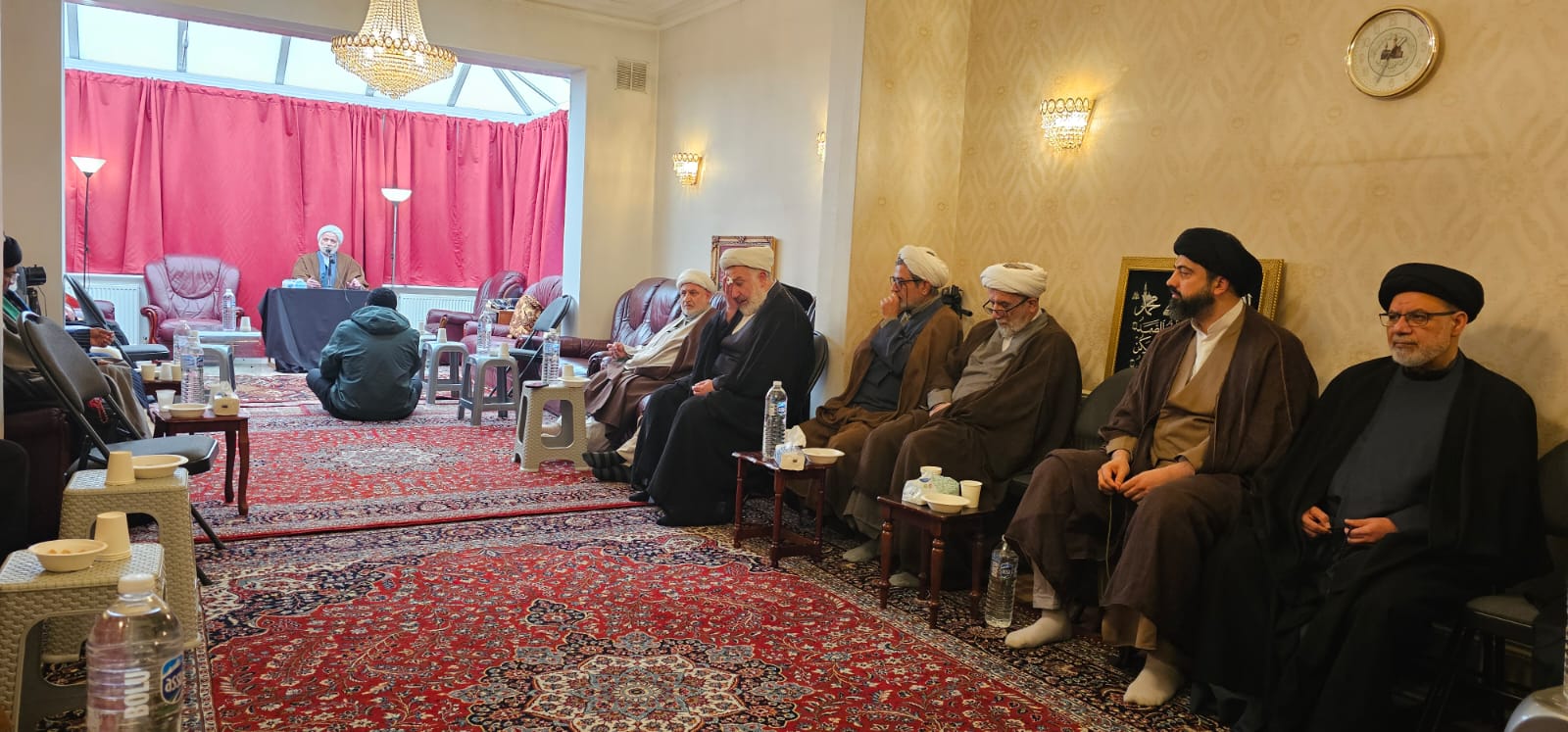
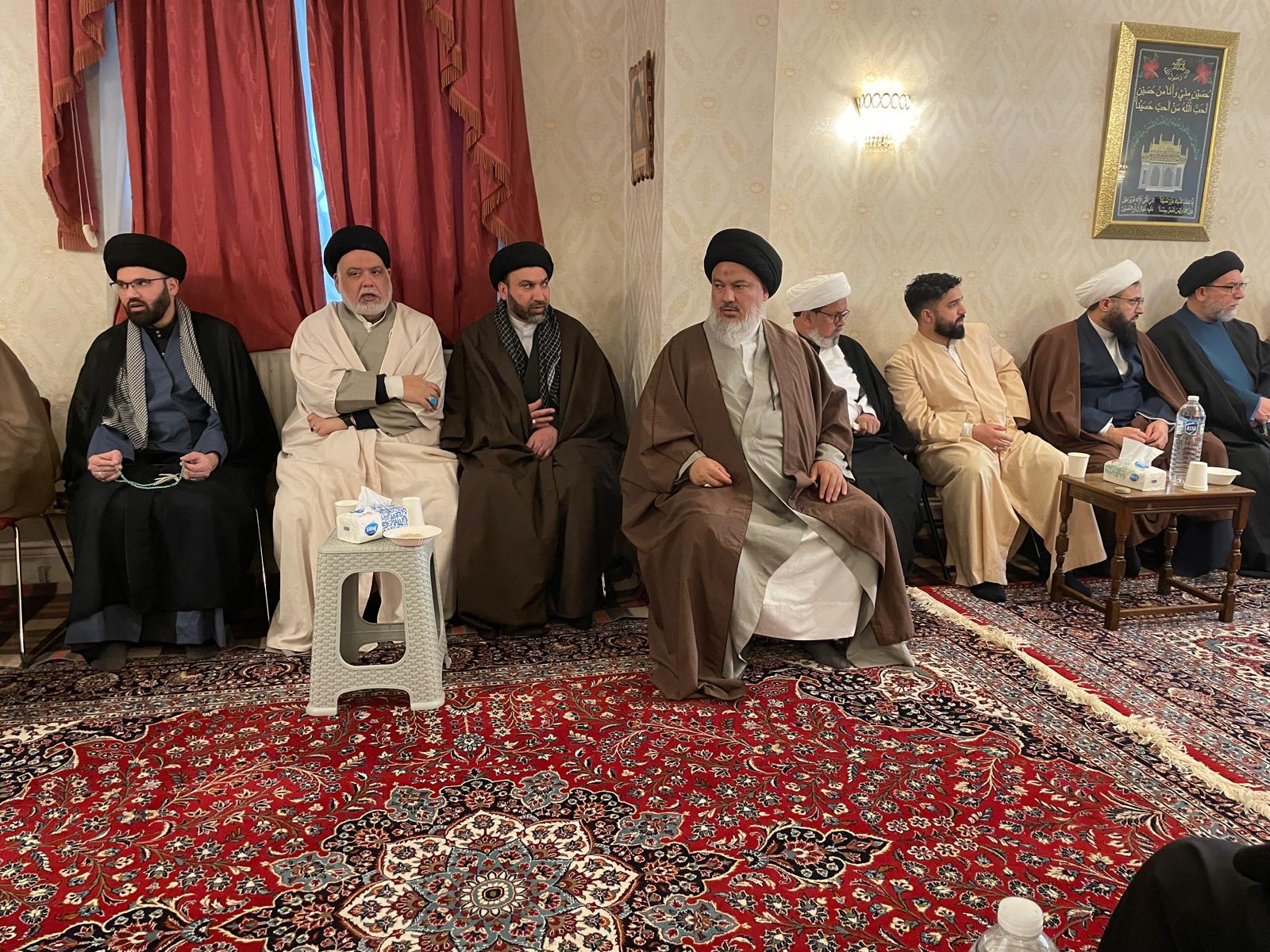
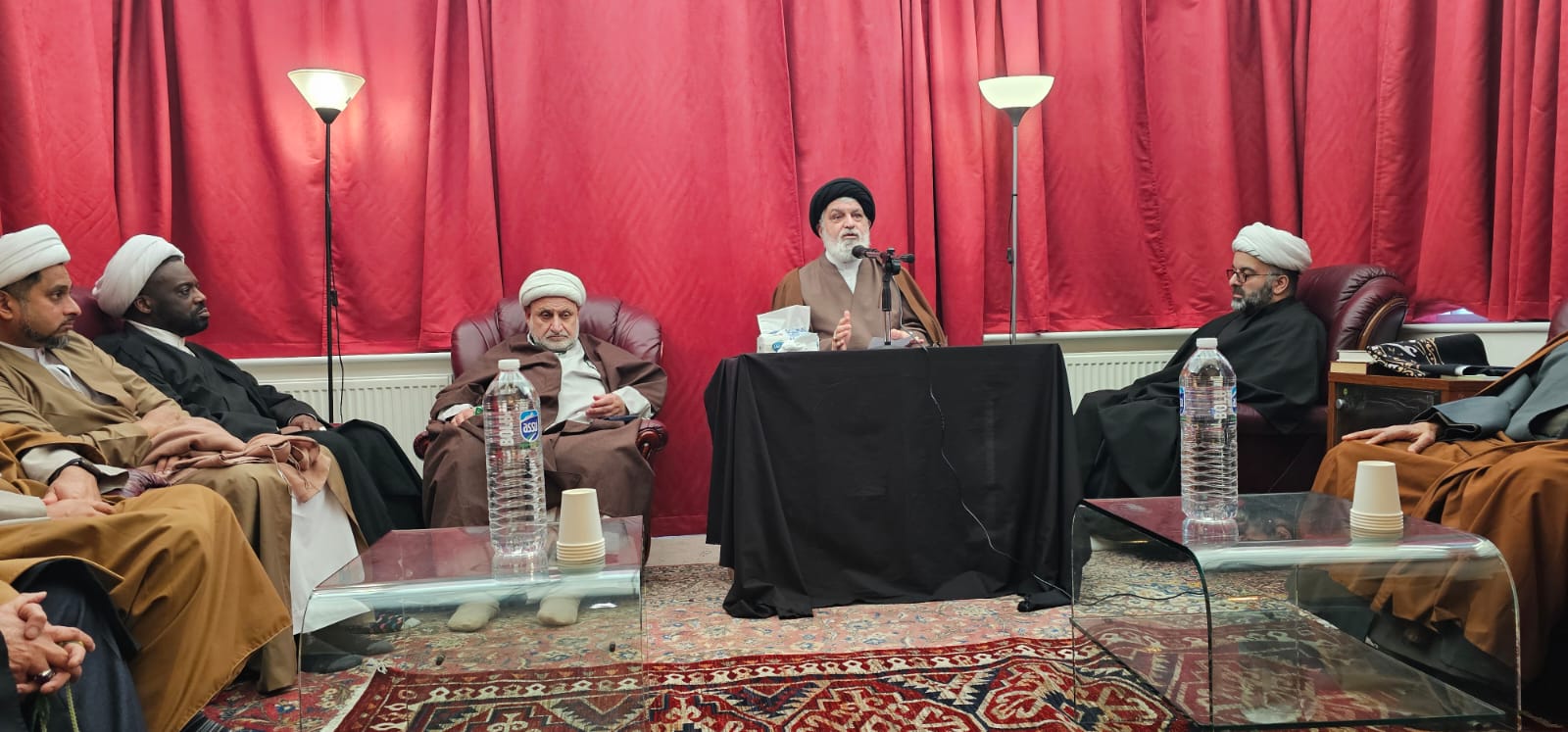
The Representative of the Supreme Religious Authority in Europe met with religious scholars and preachers in the United Kingdom, and congratulated them on the approaching blessed month of Ramadan, addressing them as follows:
Your responsibility is a great one and a heavy trust, for it is not limited to performing a traditional religious function; rather, it extends to being guardians of identity, ambassadors of values, and bridges of communication between authentic Islam and the societies in which you live. You are the face through which the school of Ahl al-Bayt (peace be upon them) is known, and your image is the image that is formed in the minds of others about this religion.
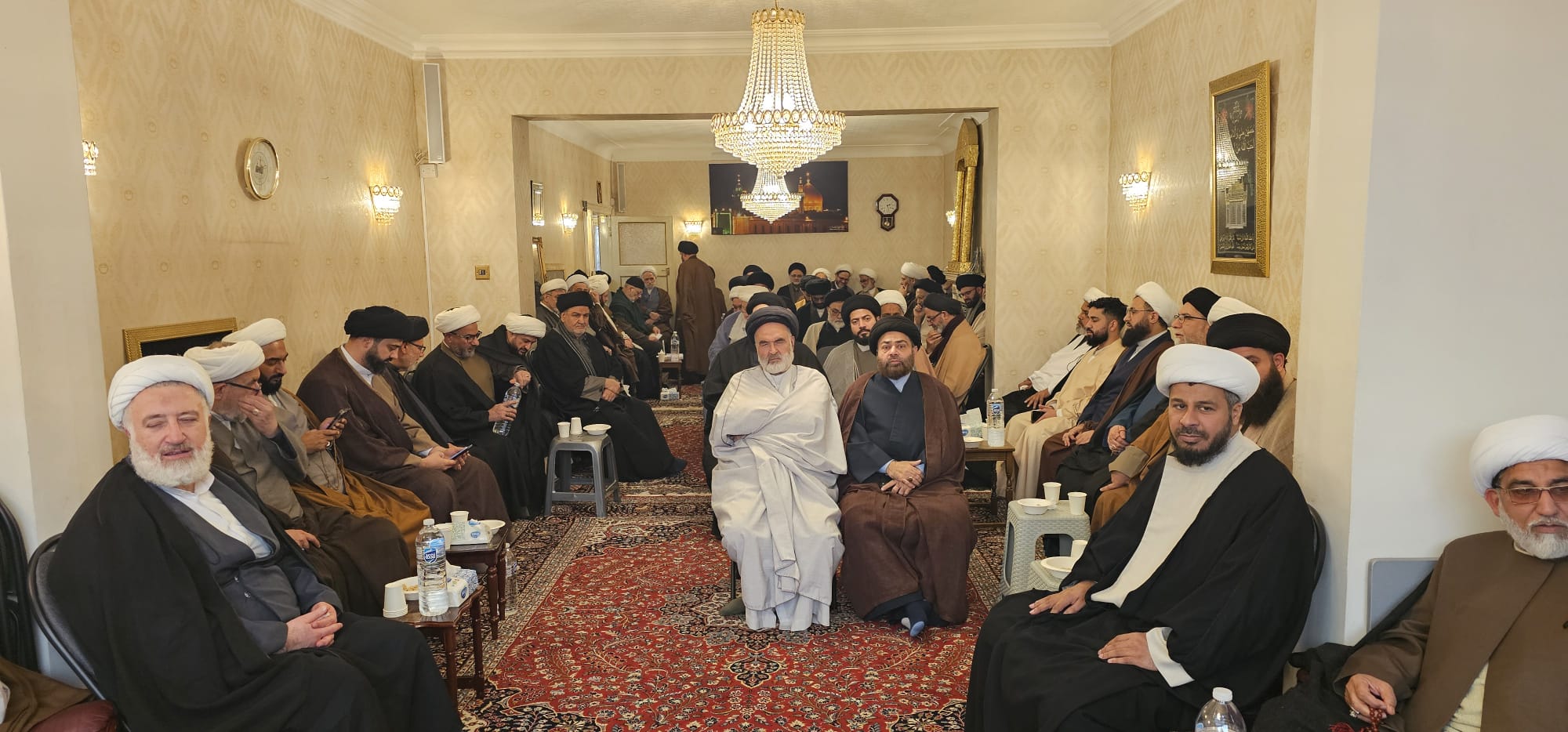
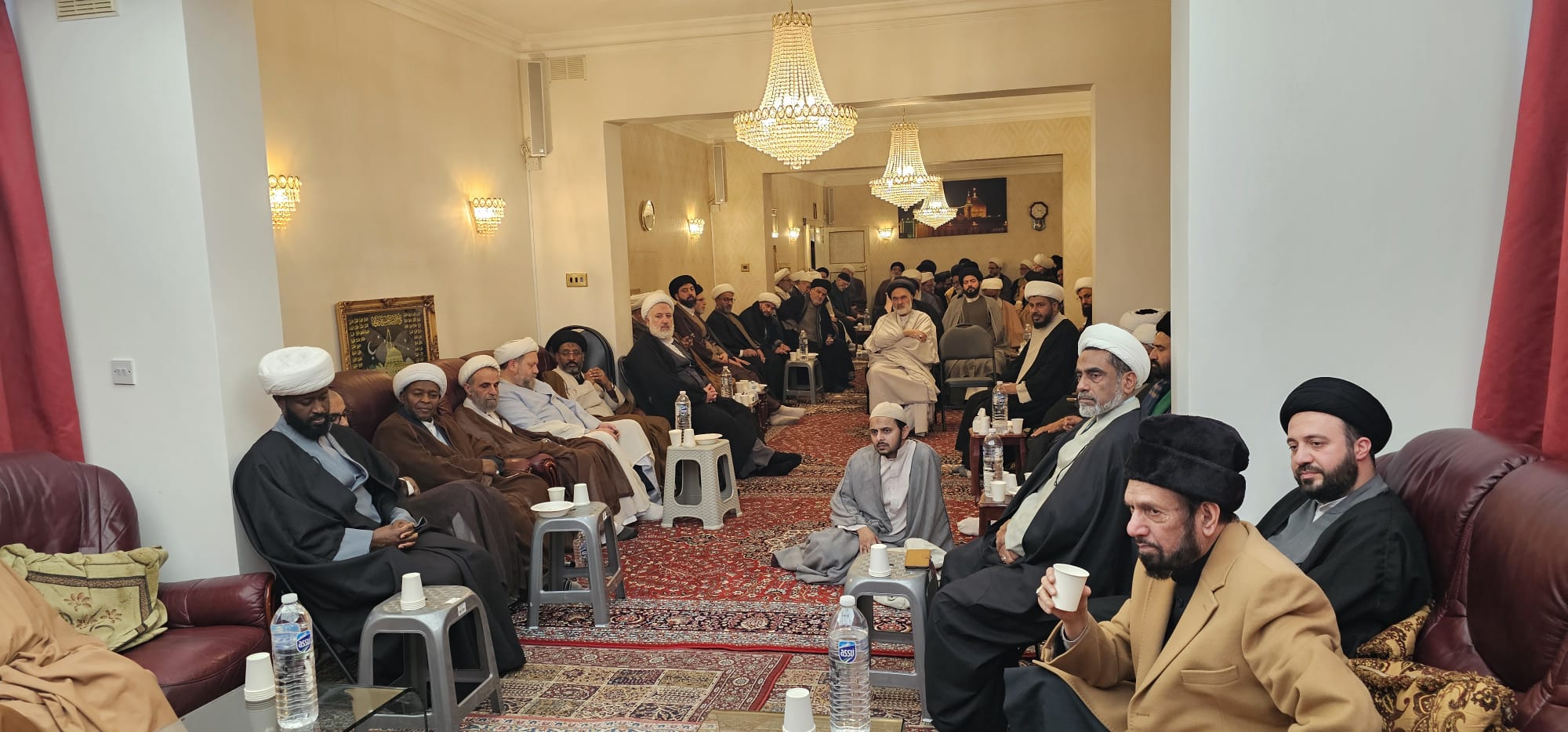
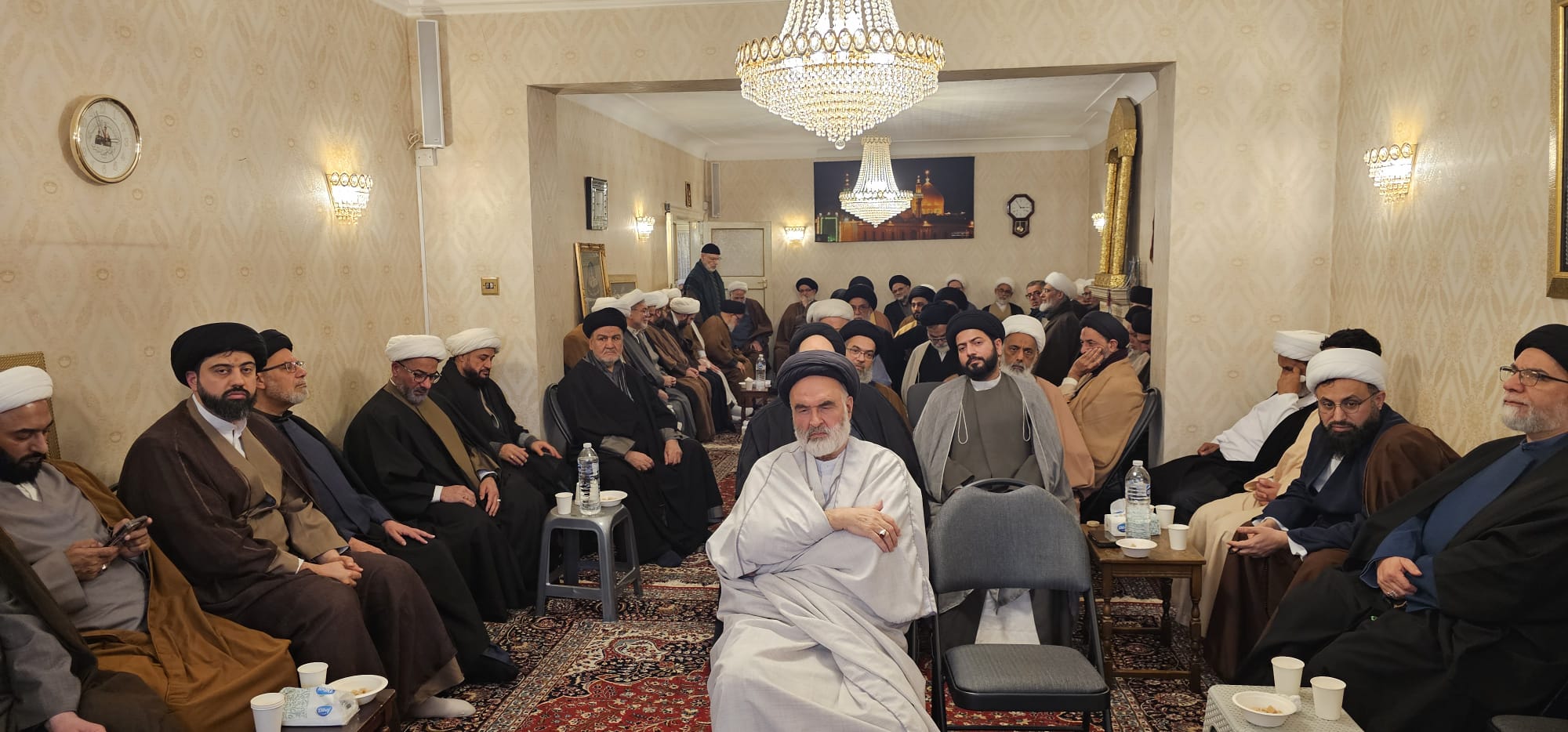
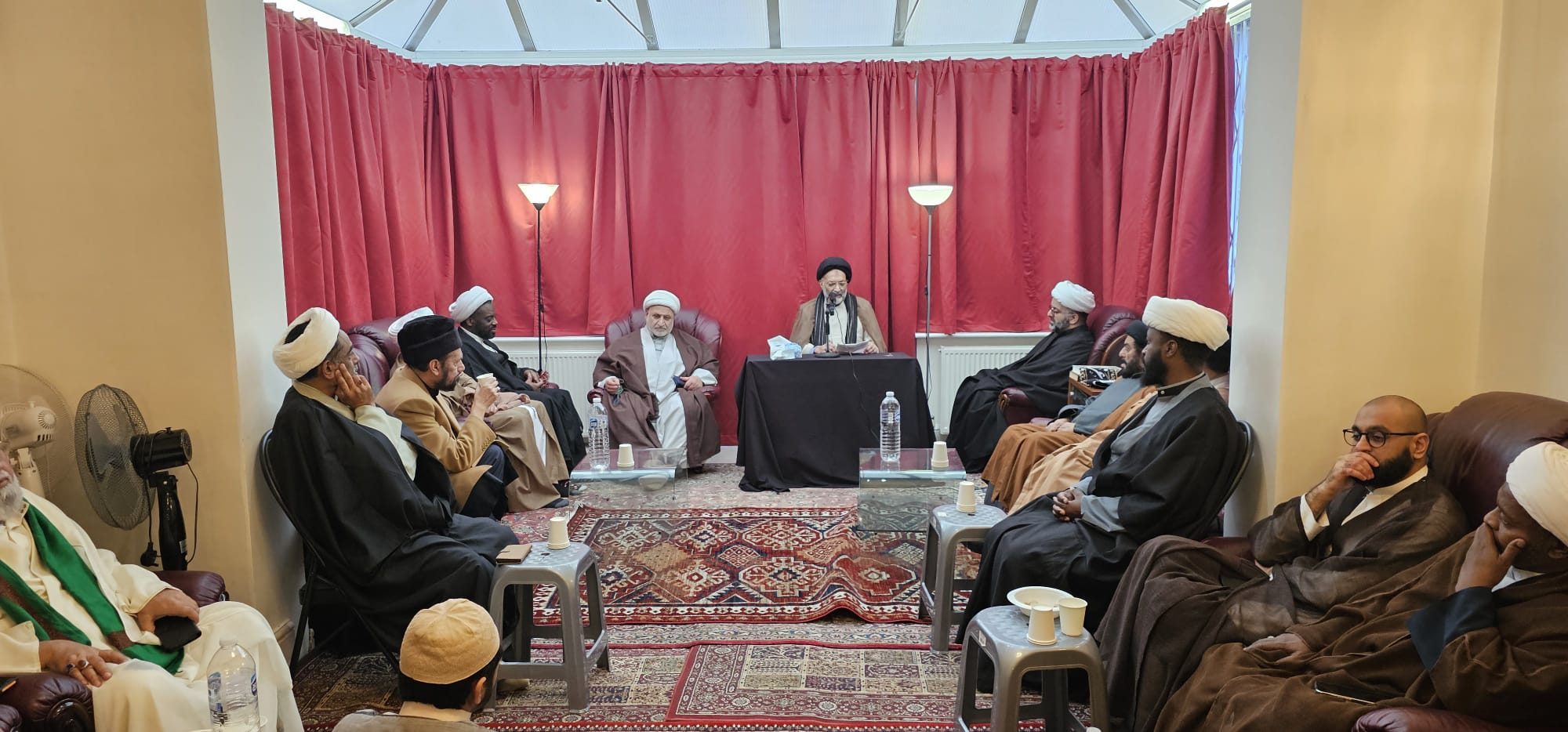
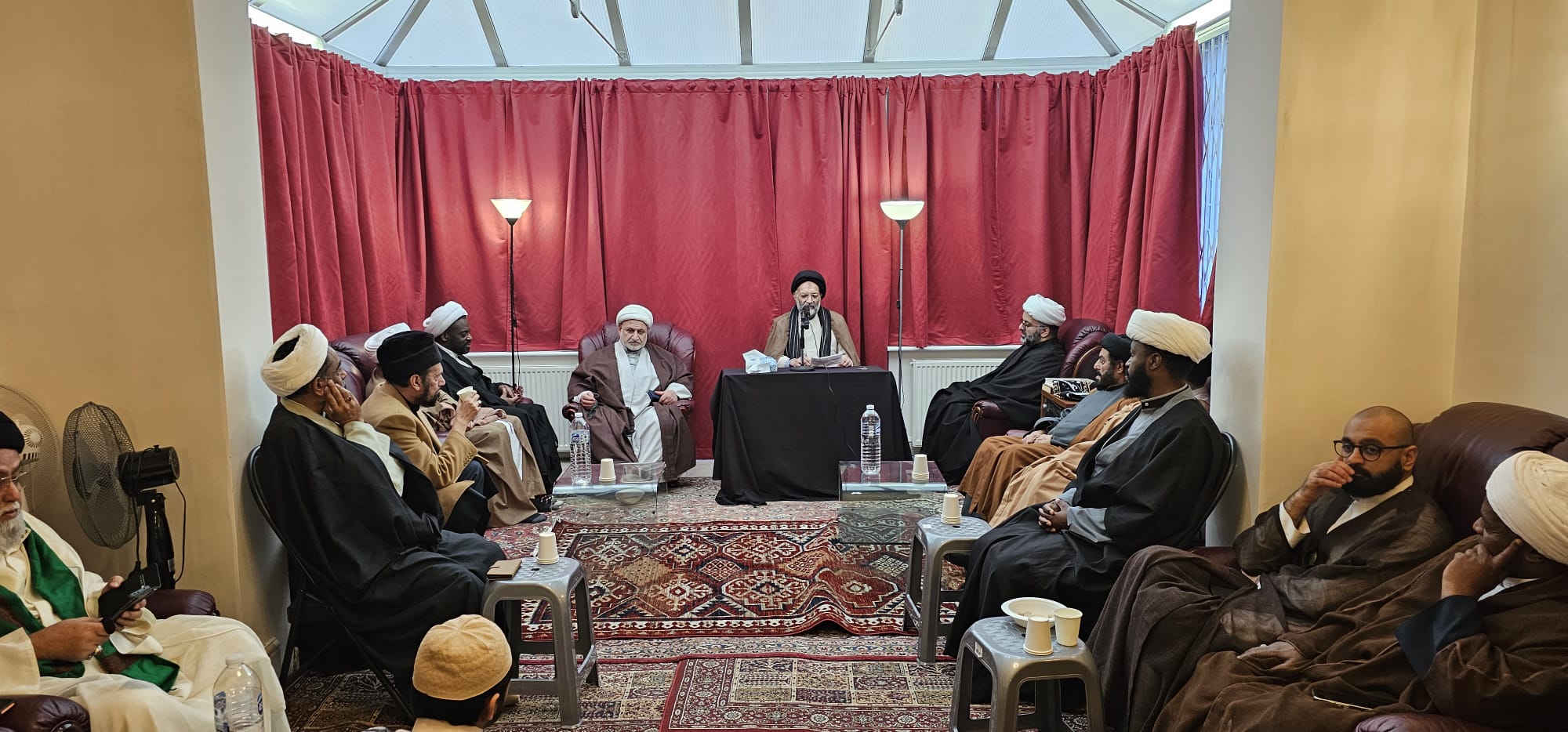
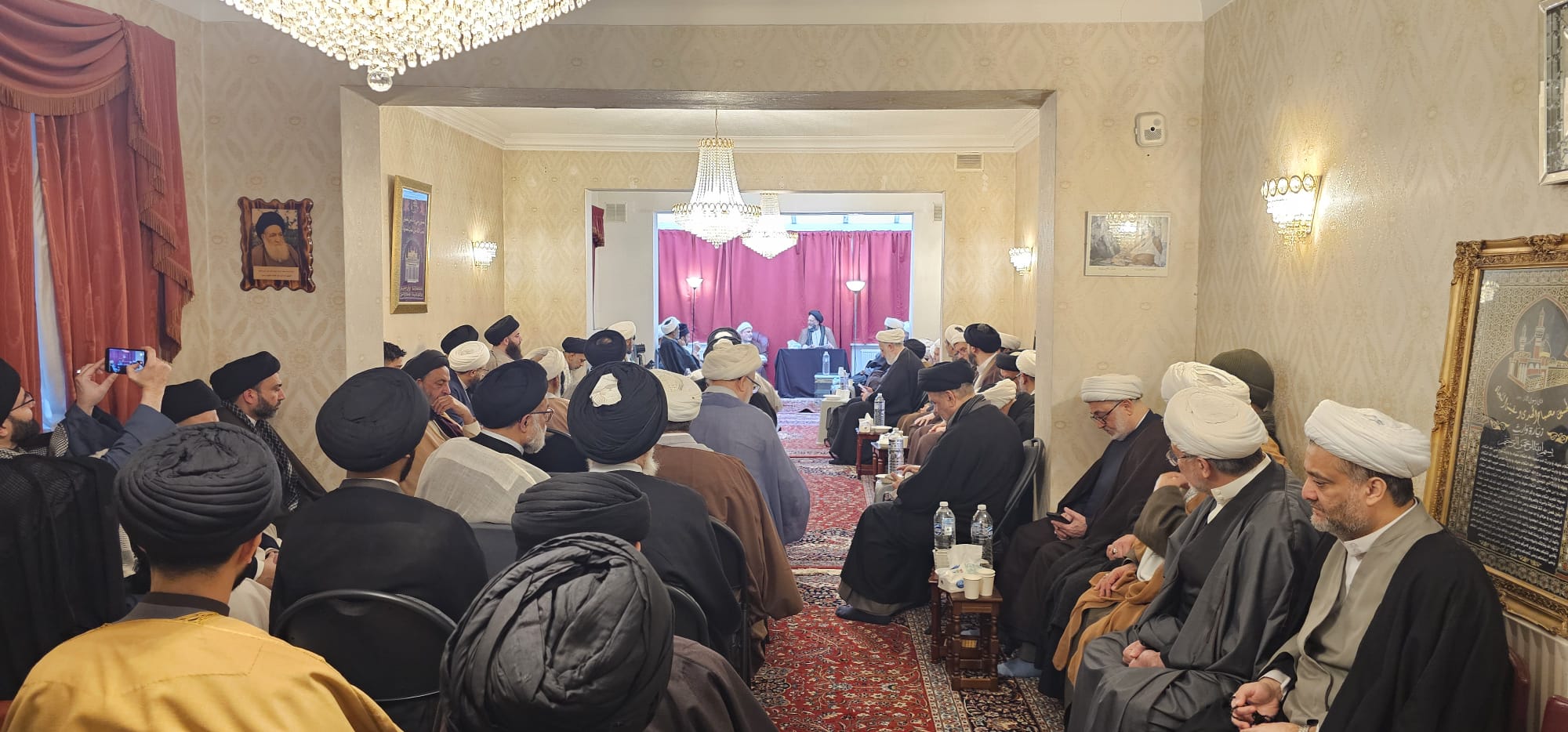
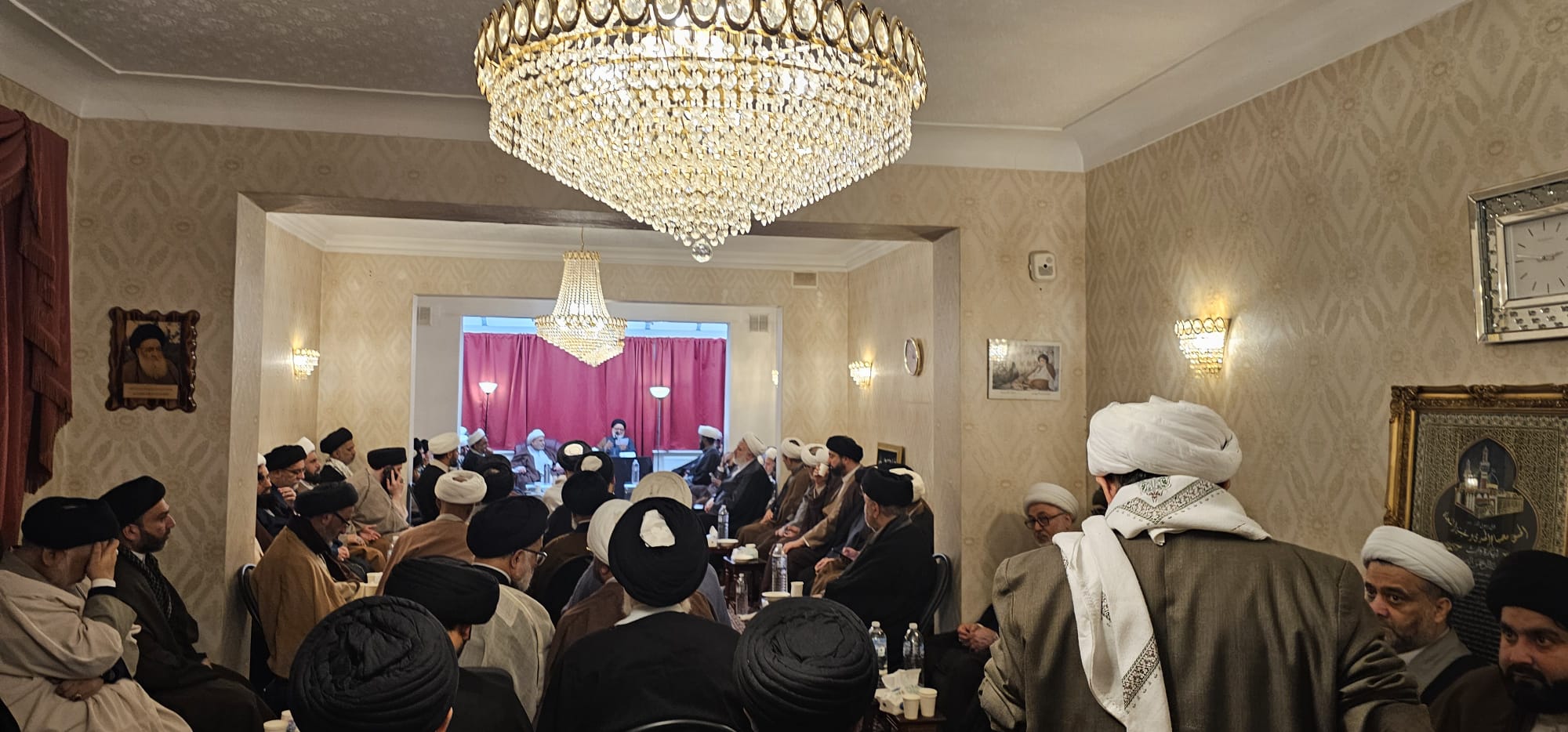
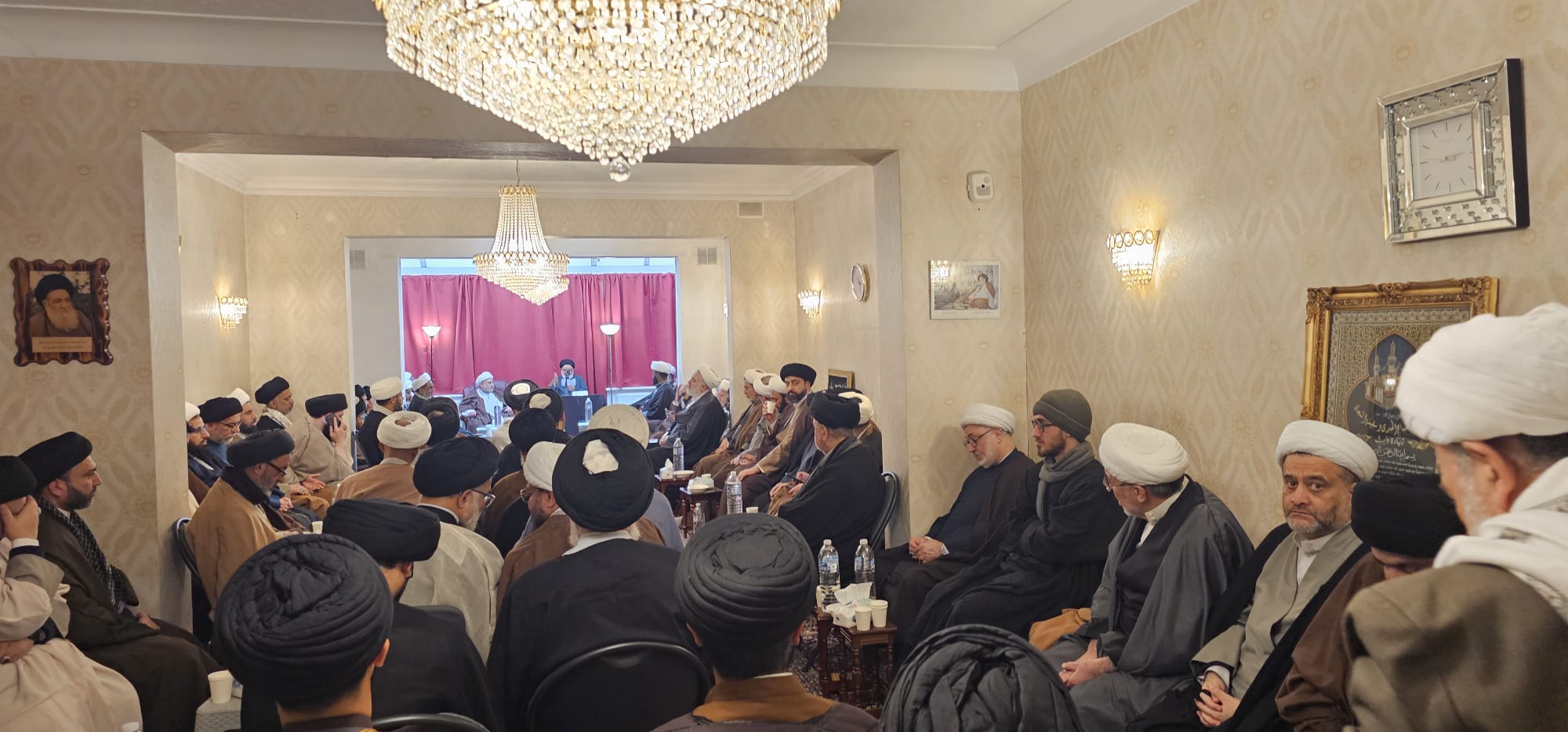
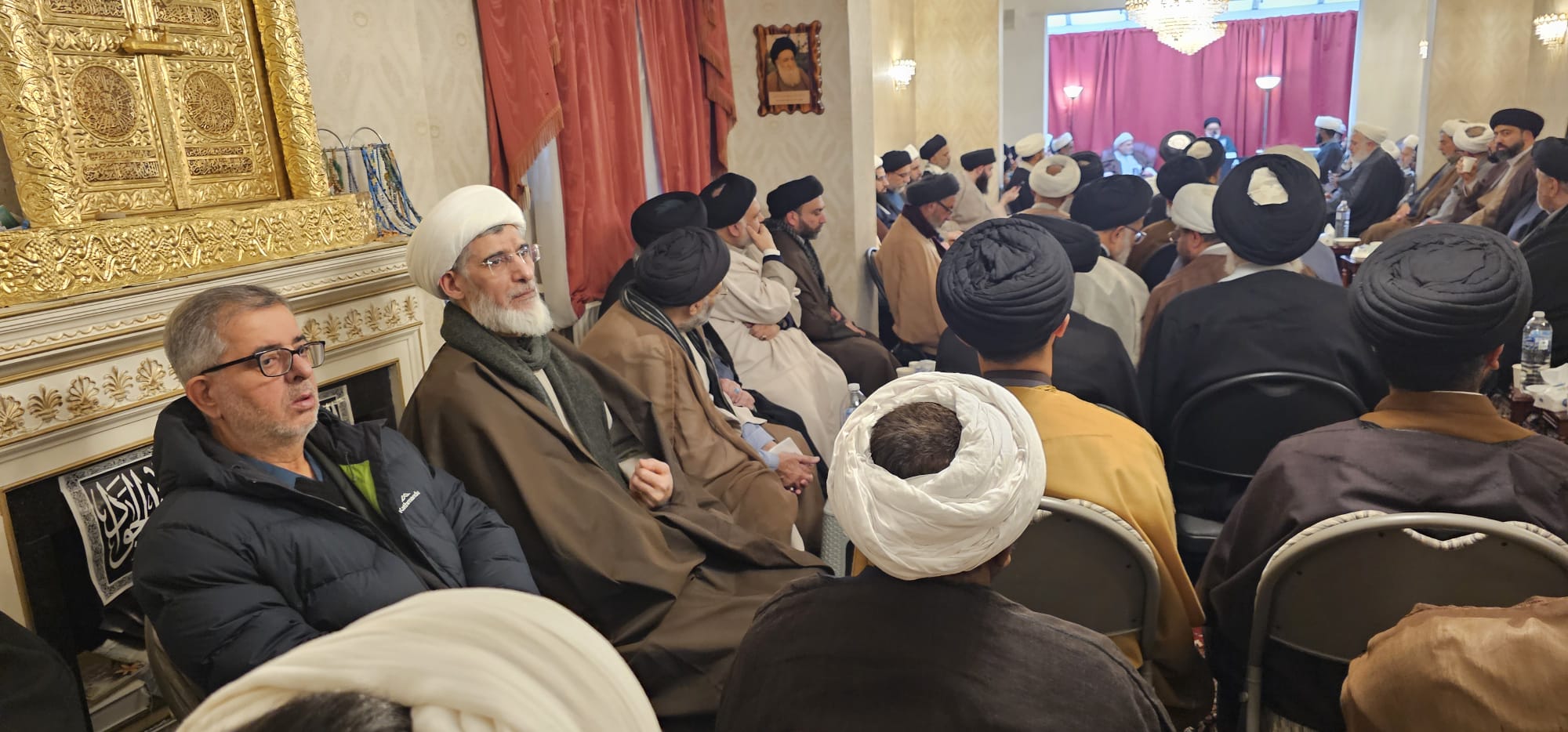
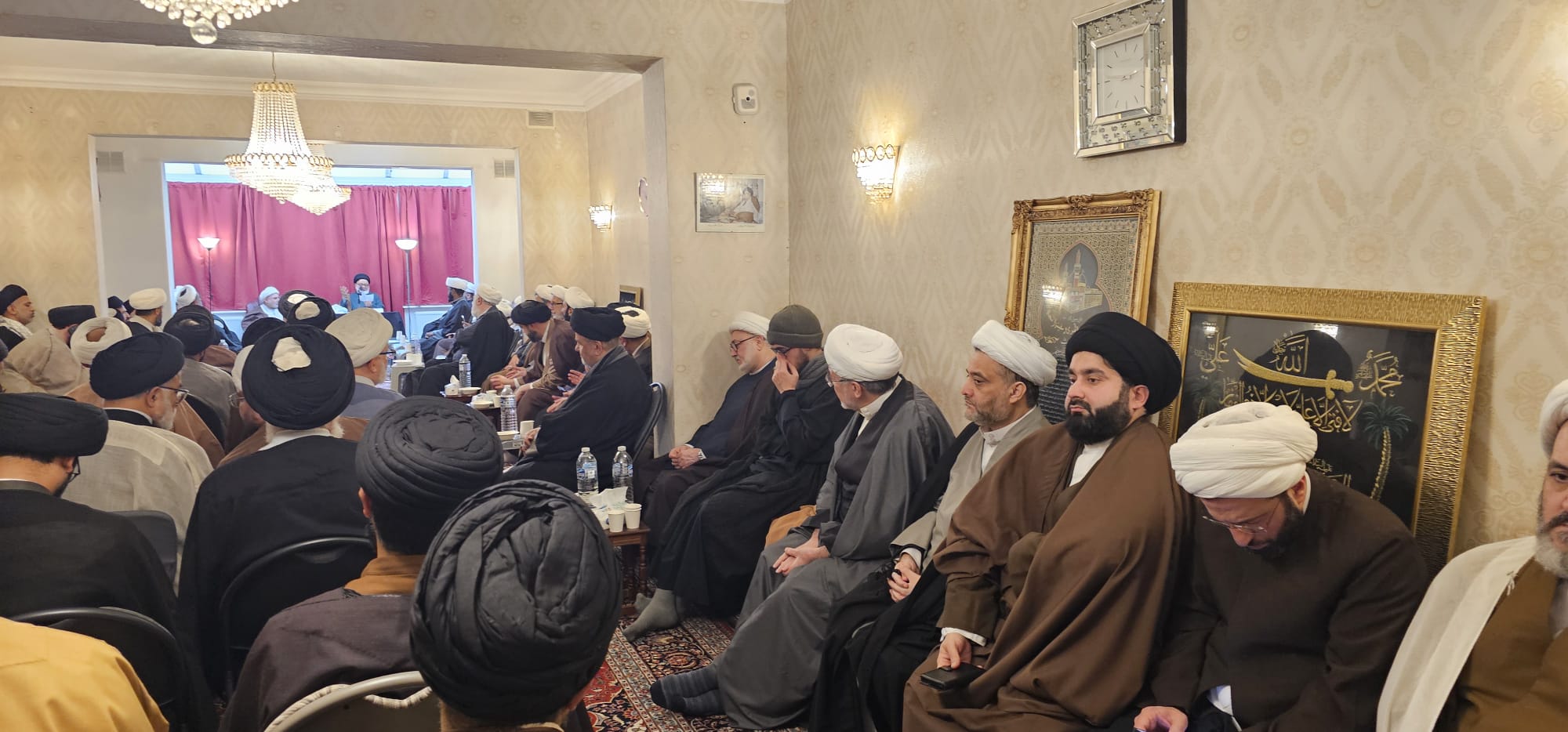
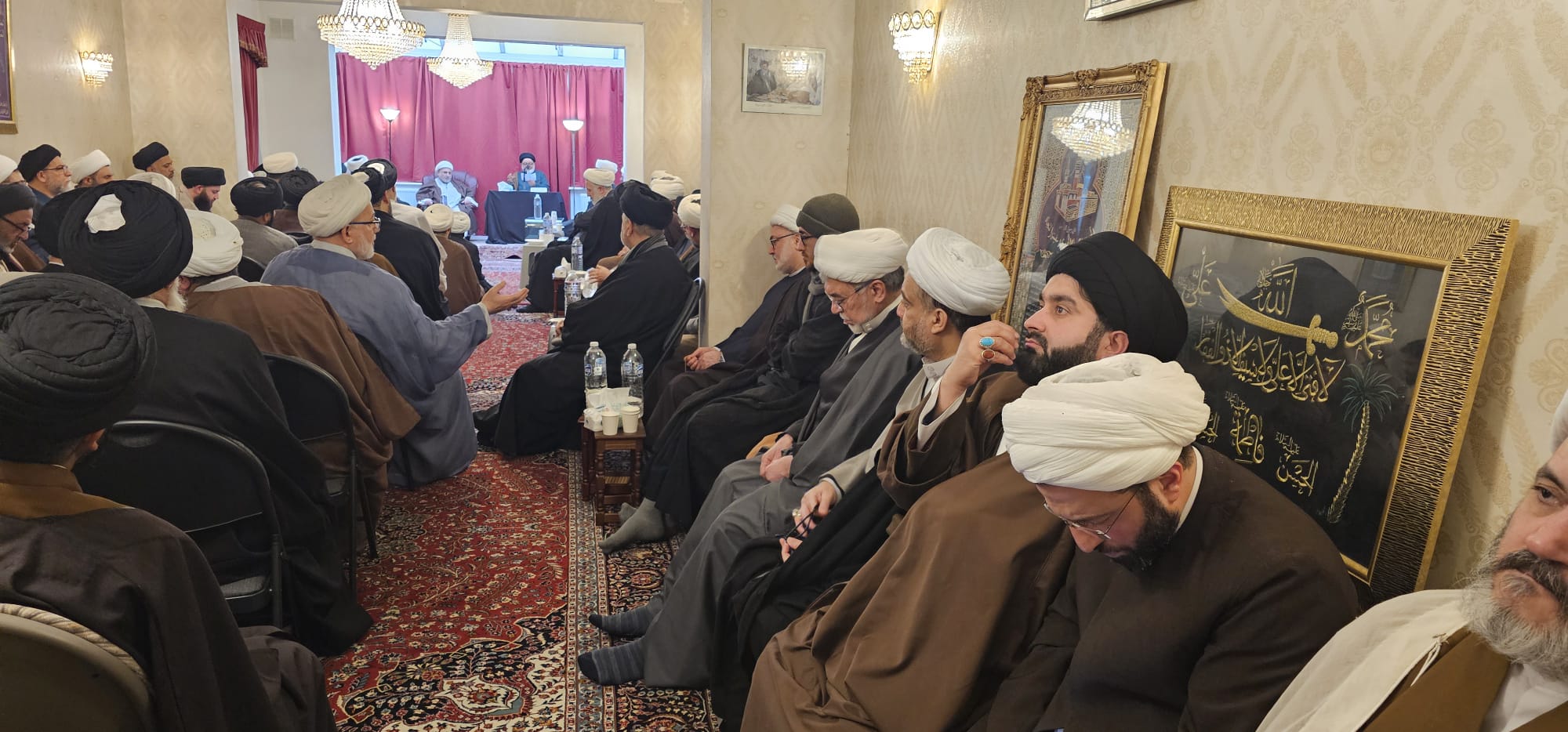
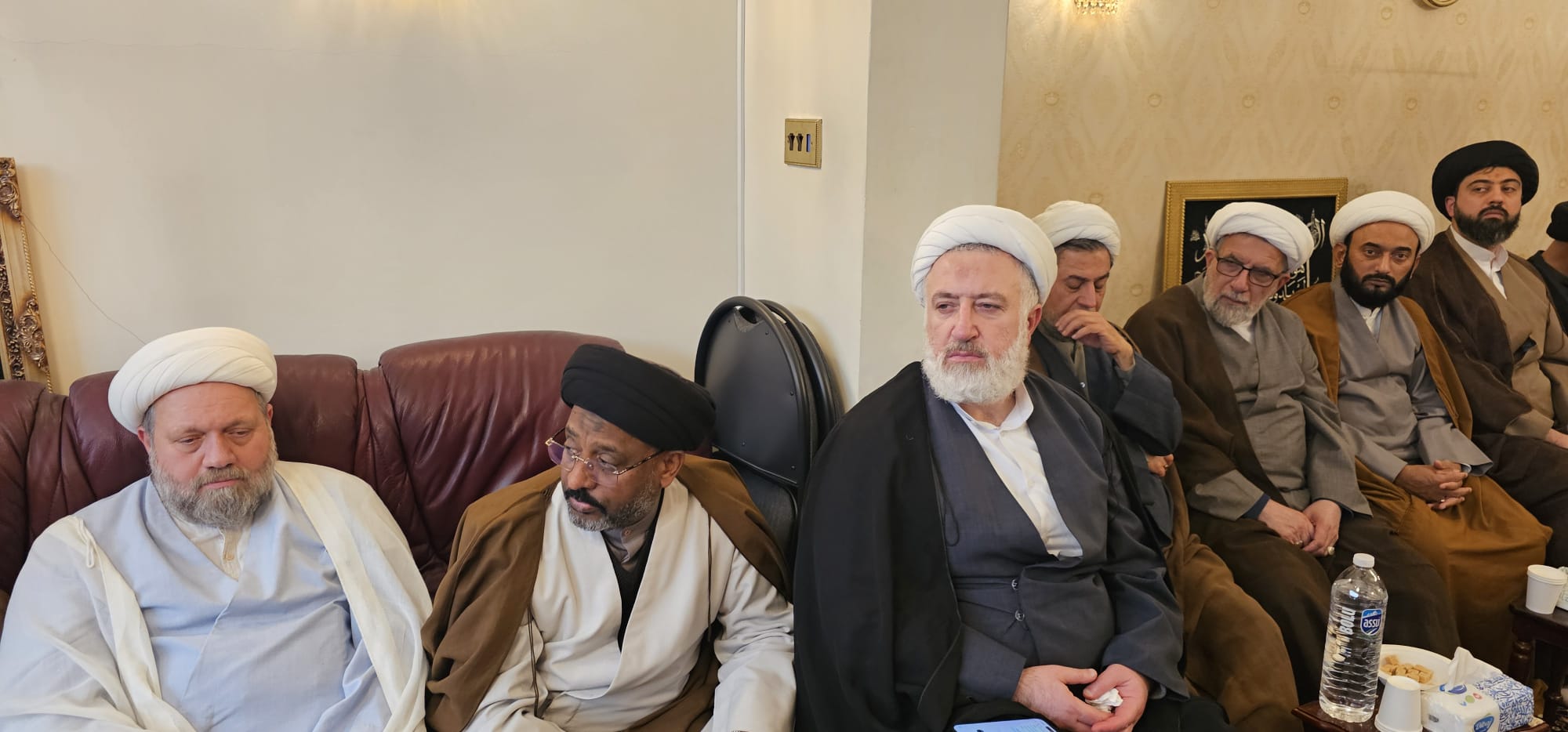
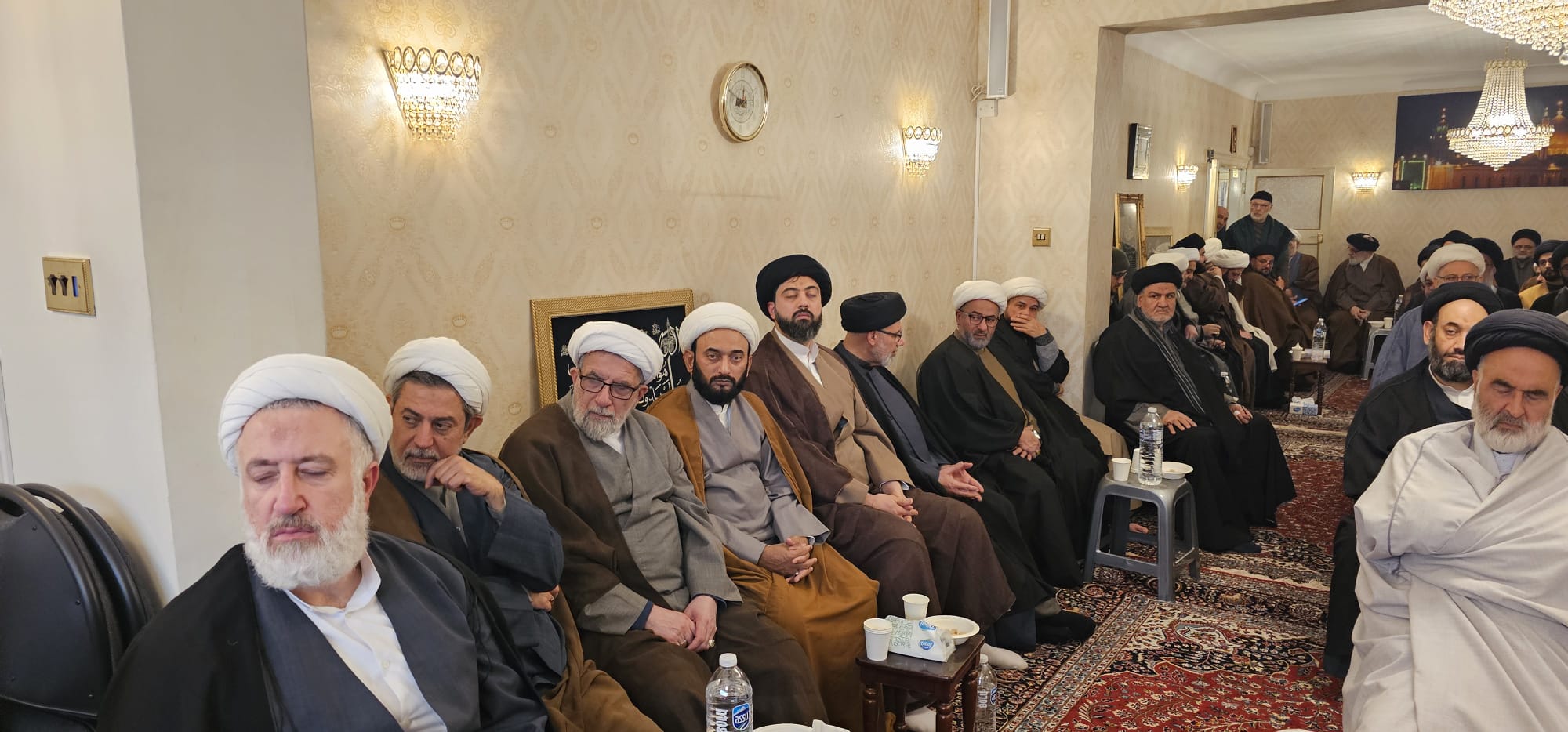
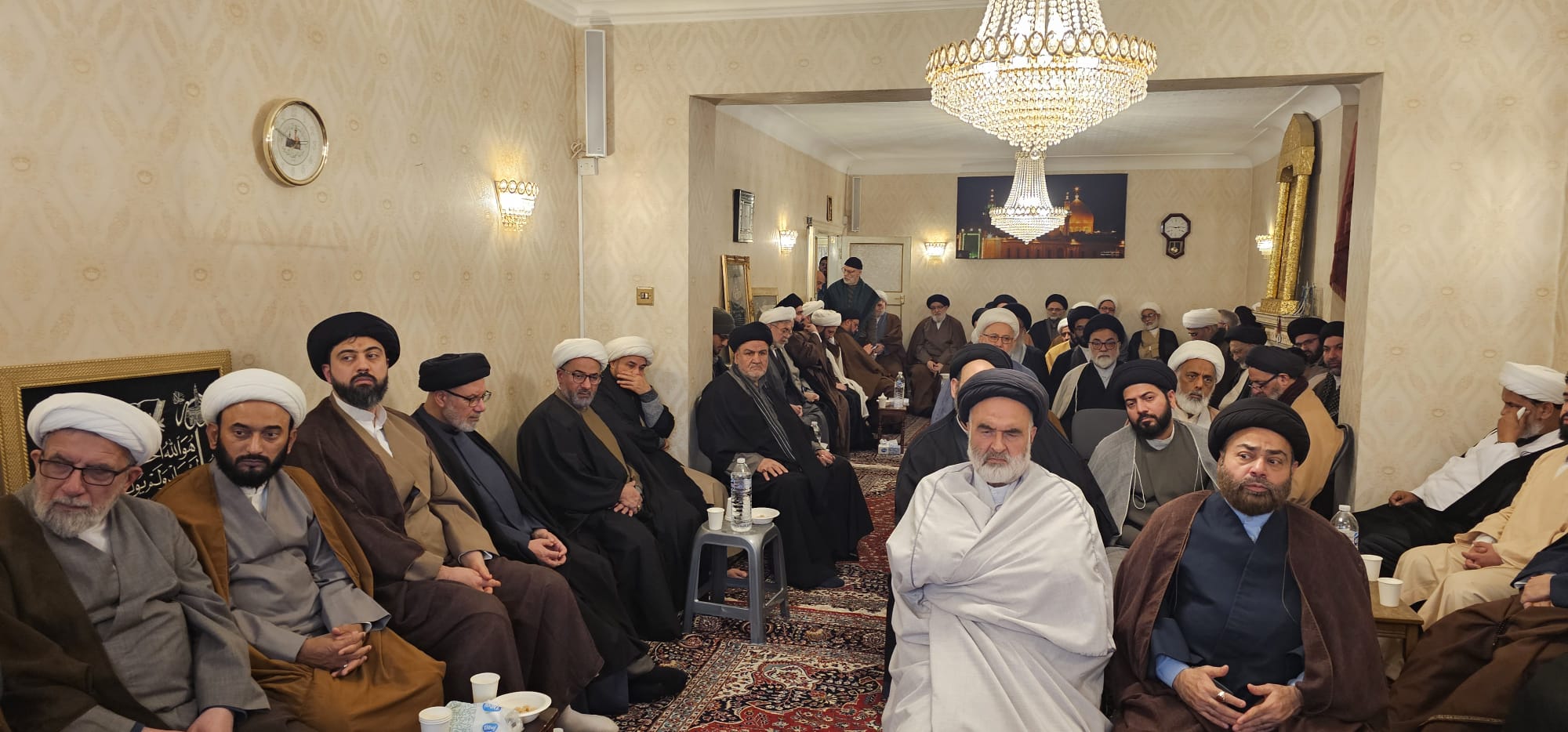
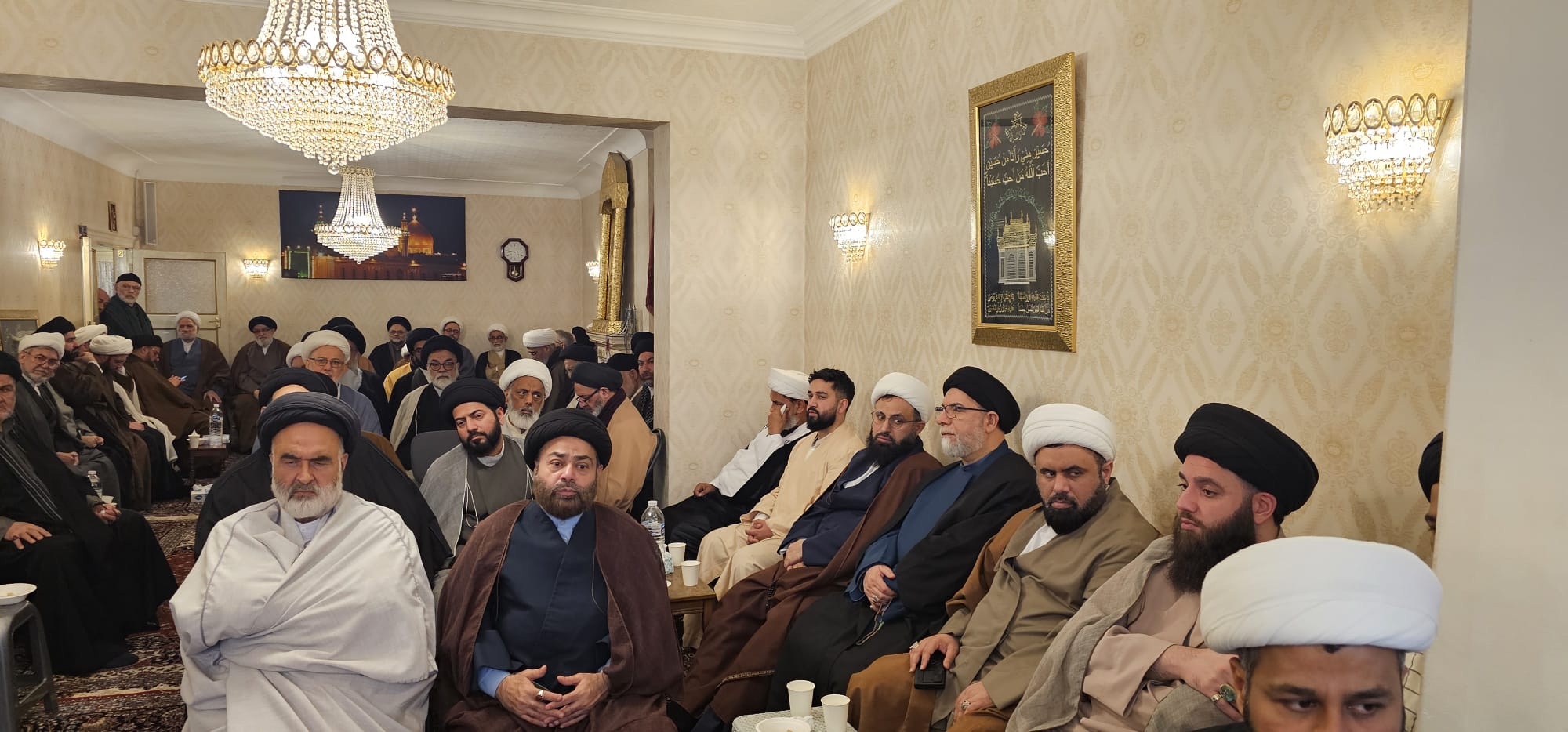
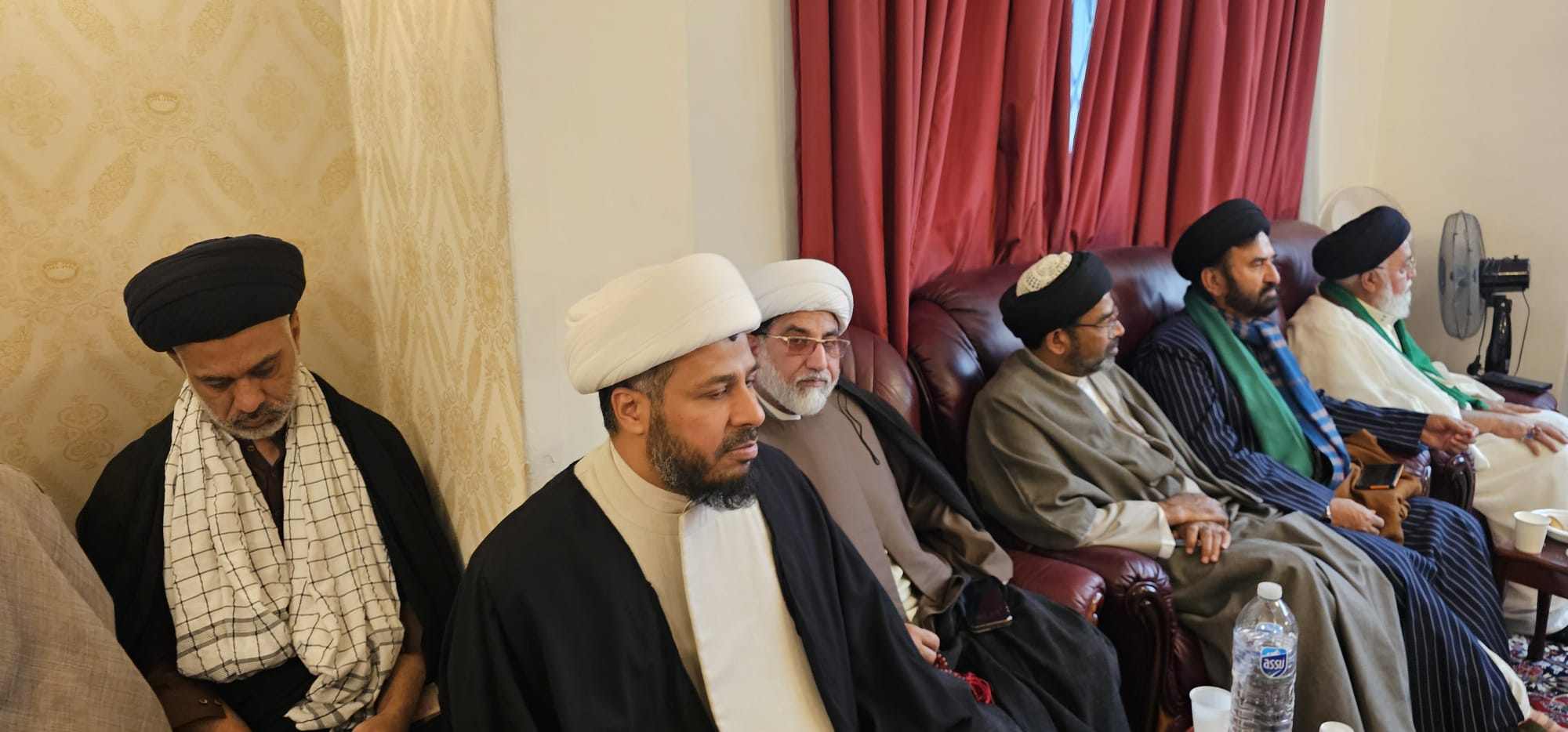
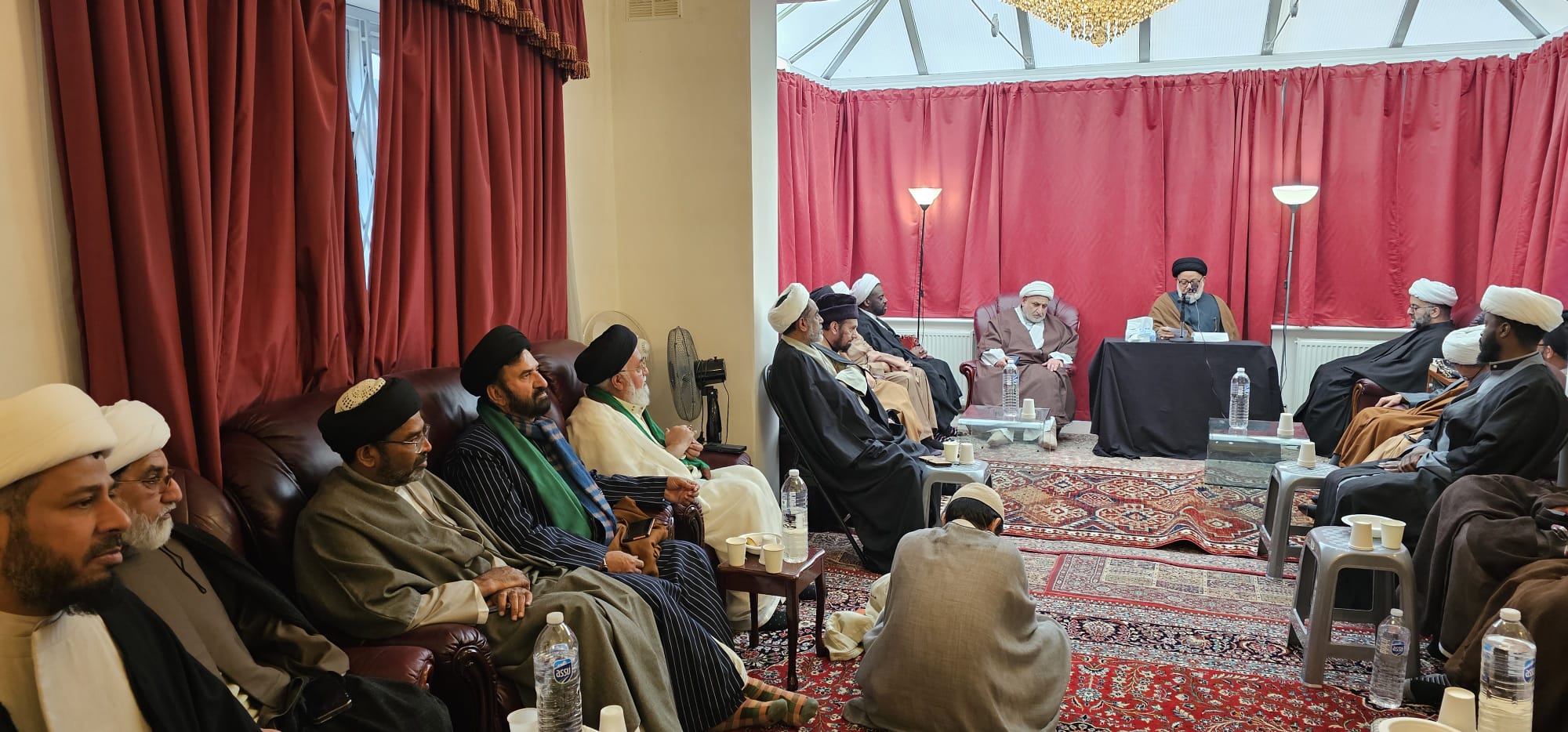
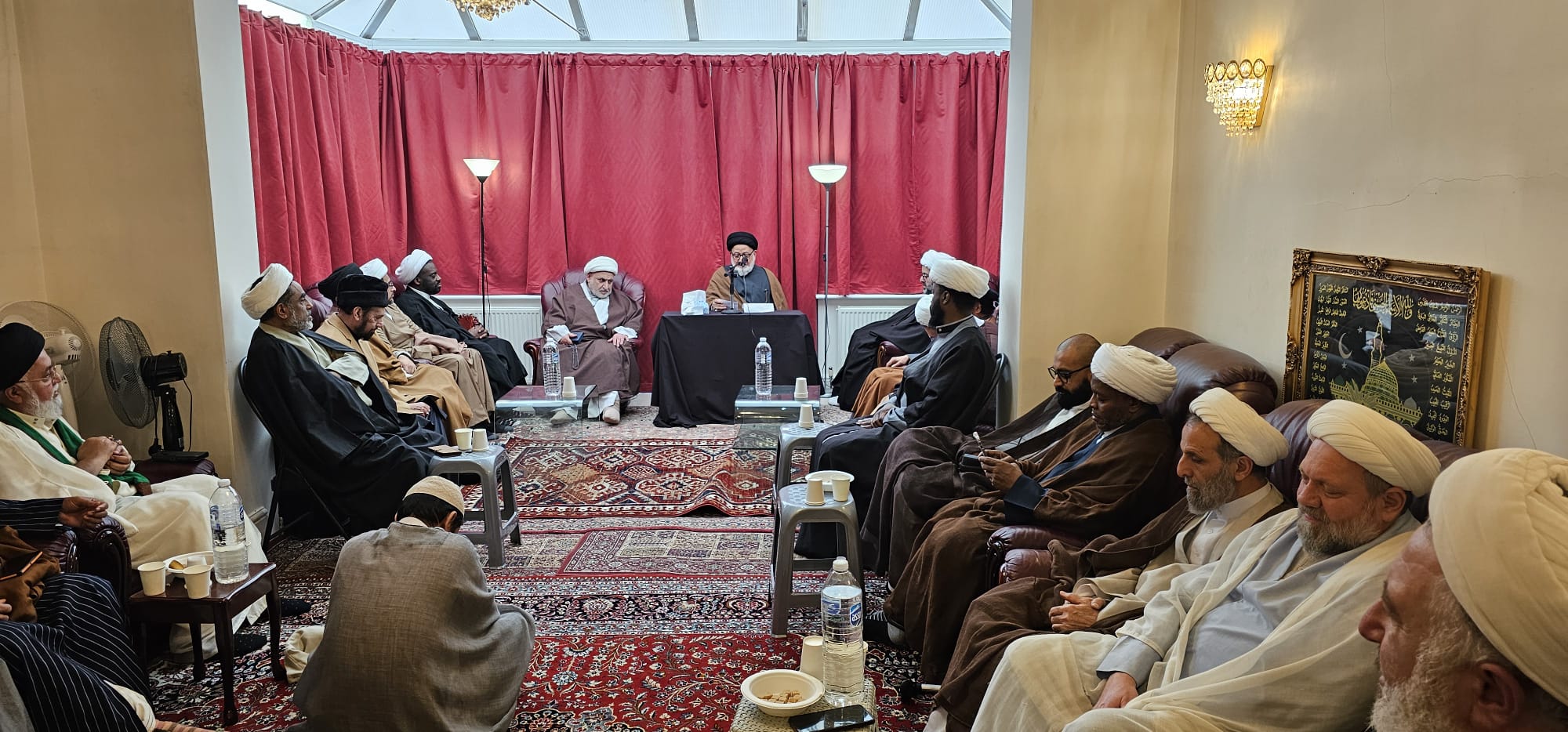
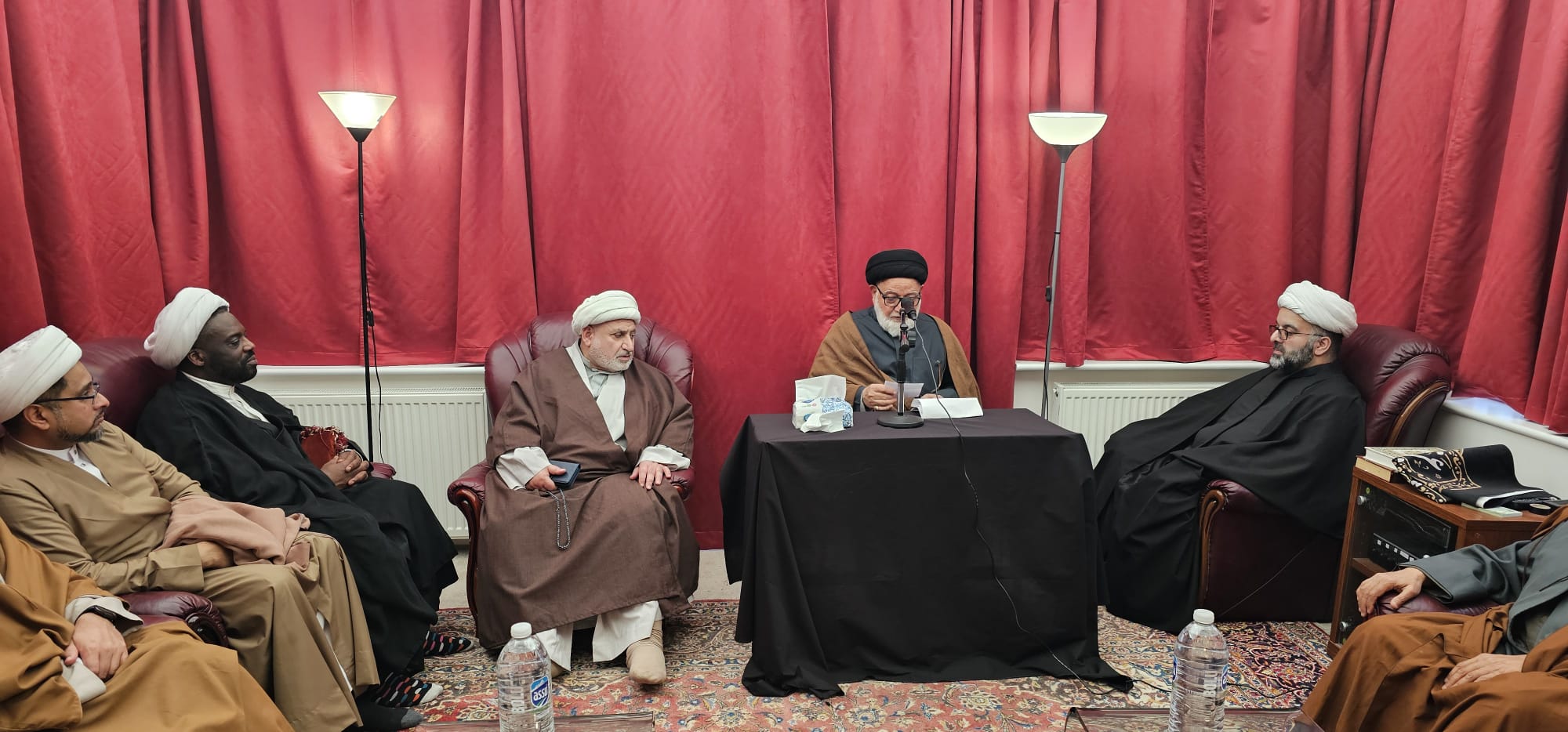
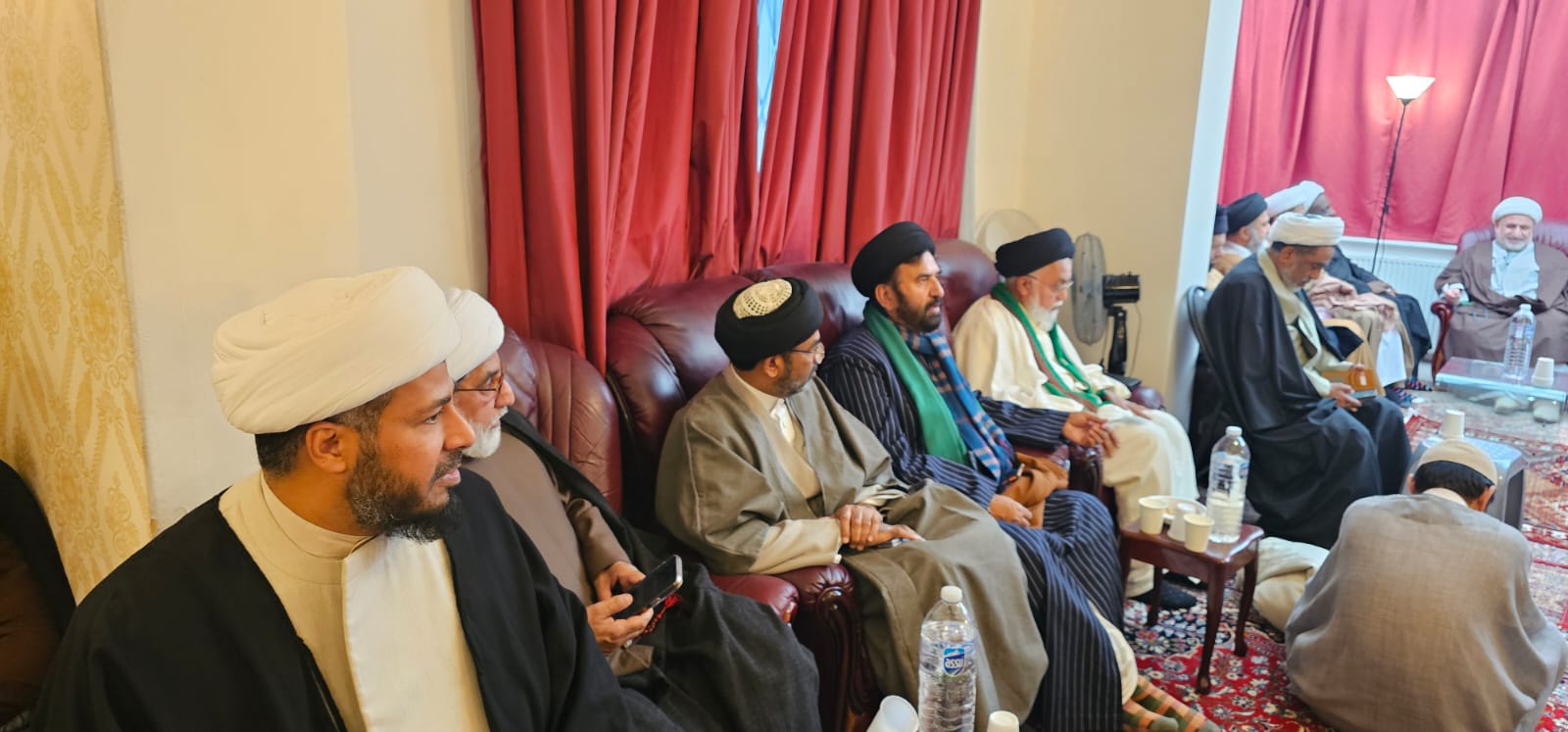
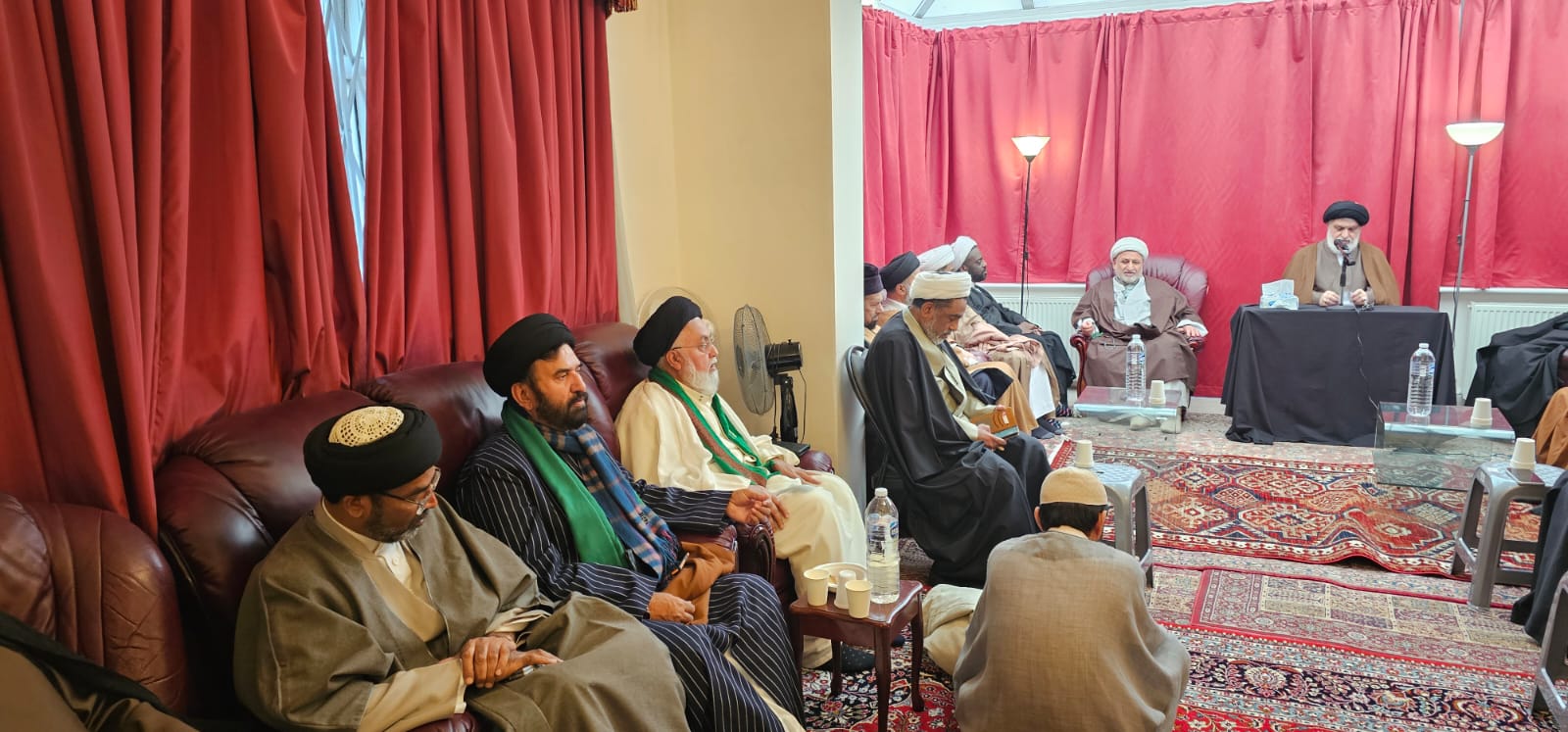
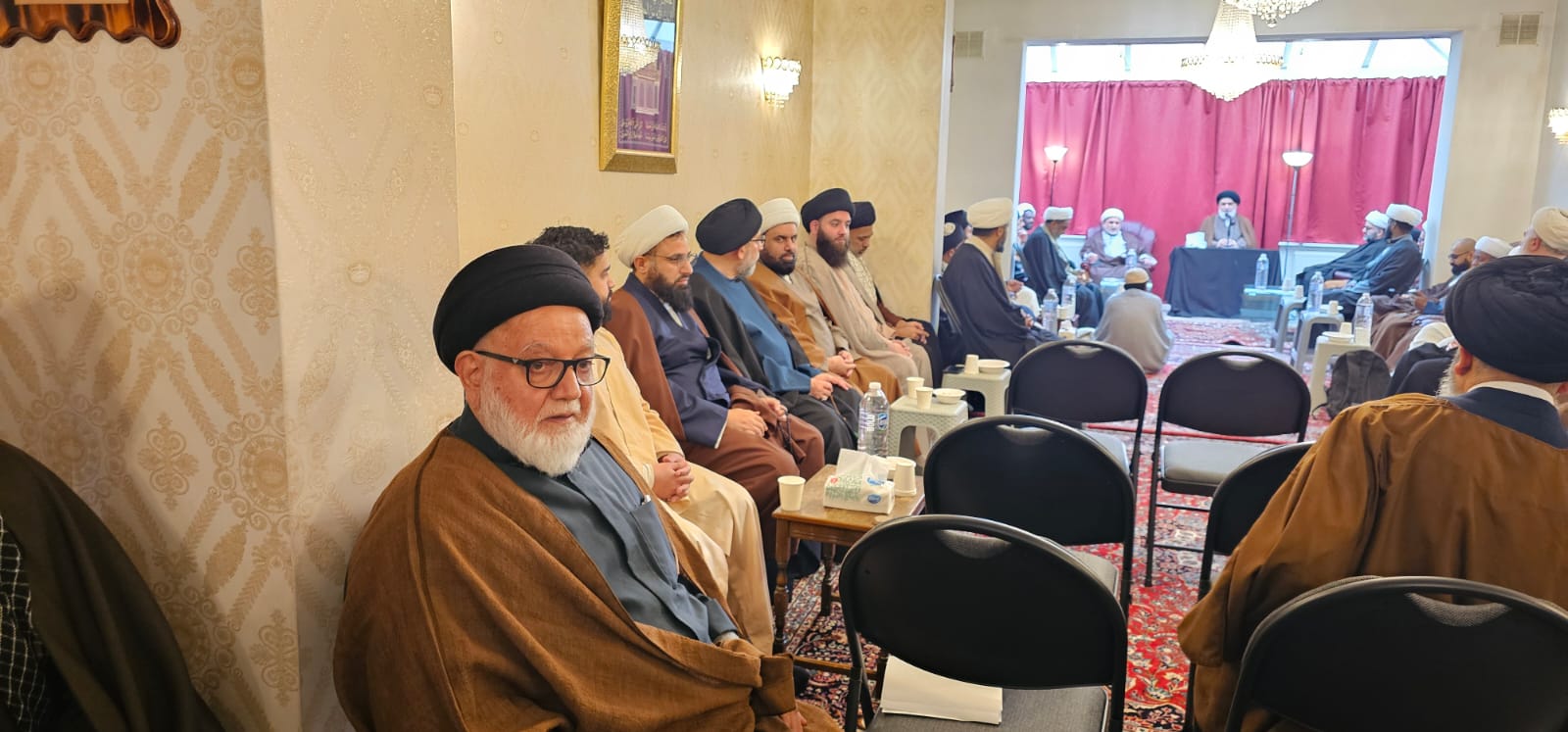
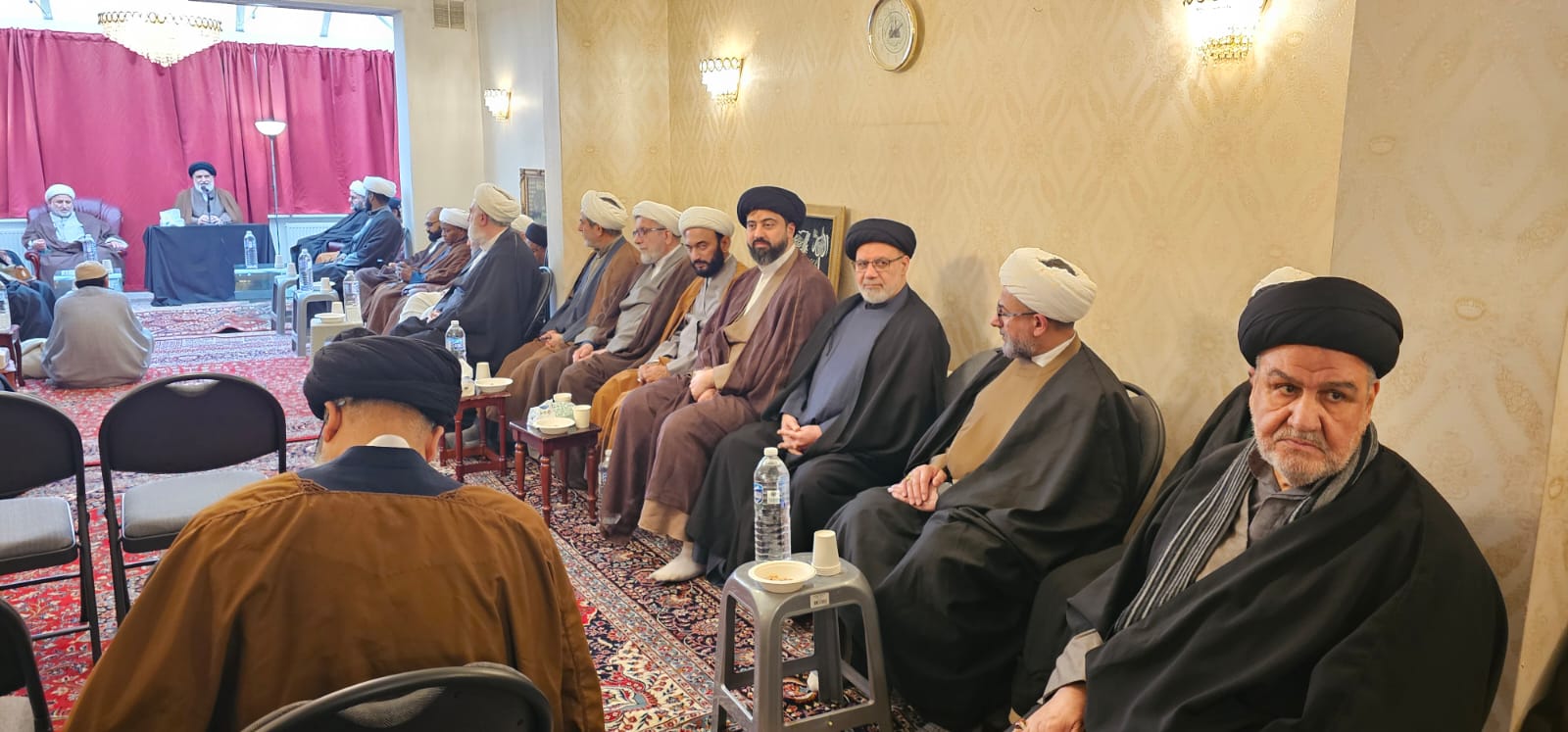
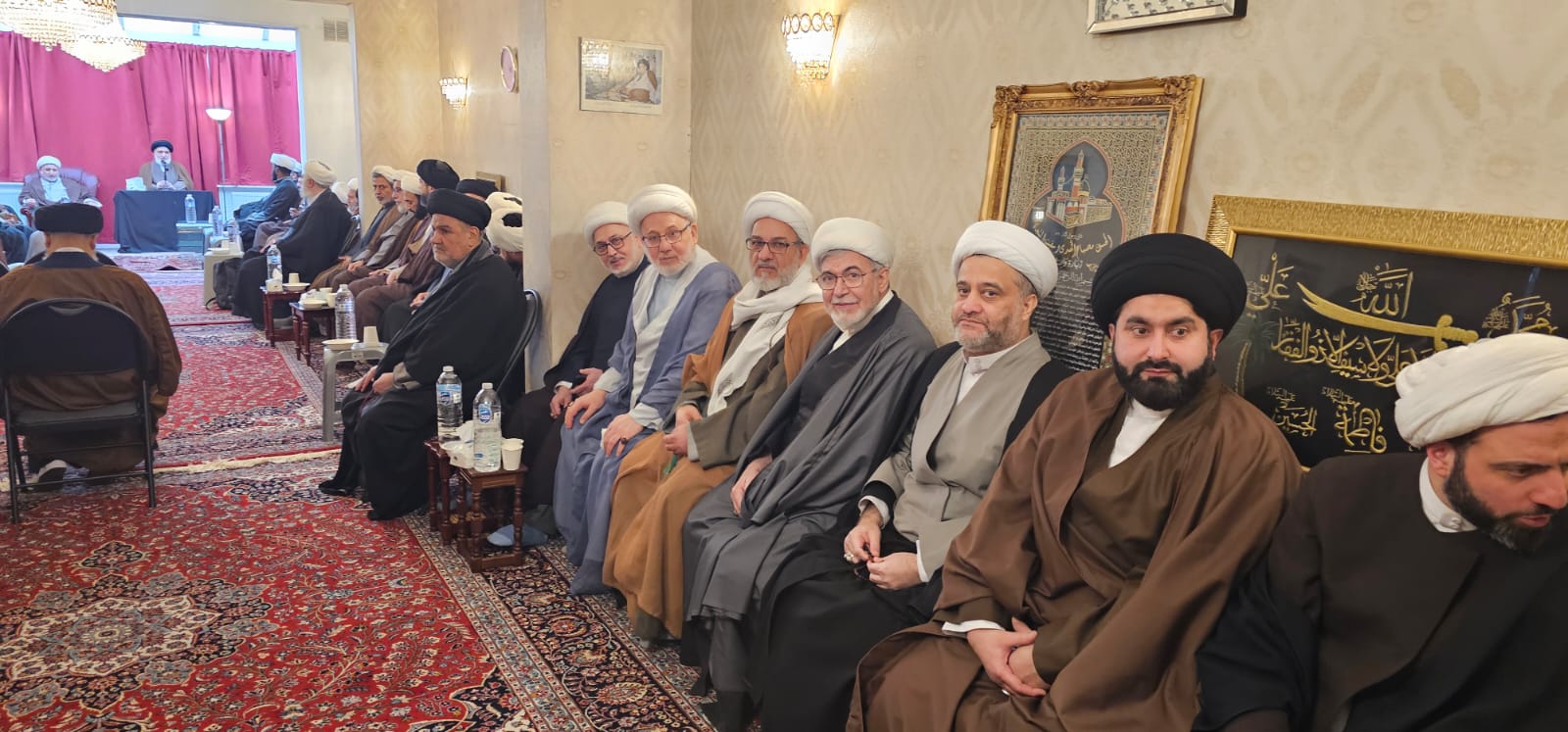
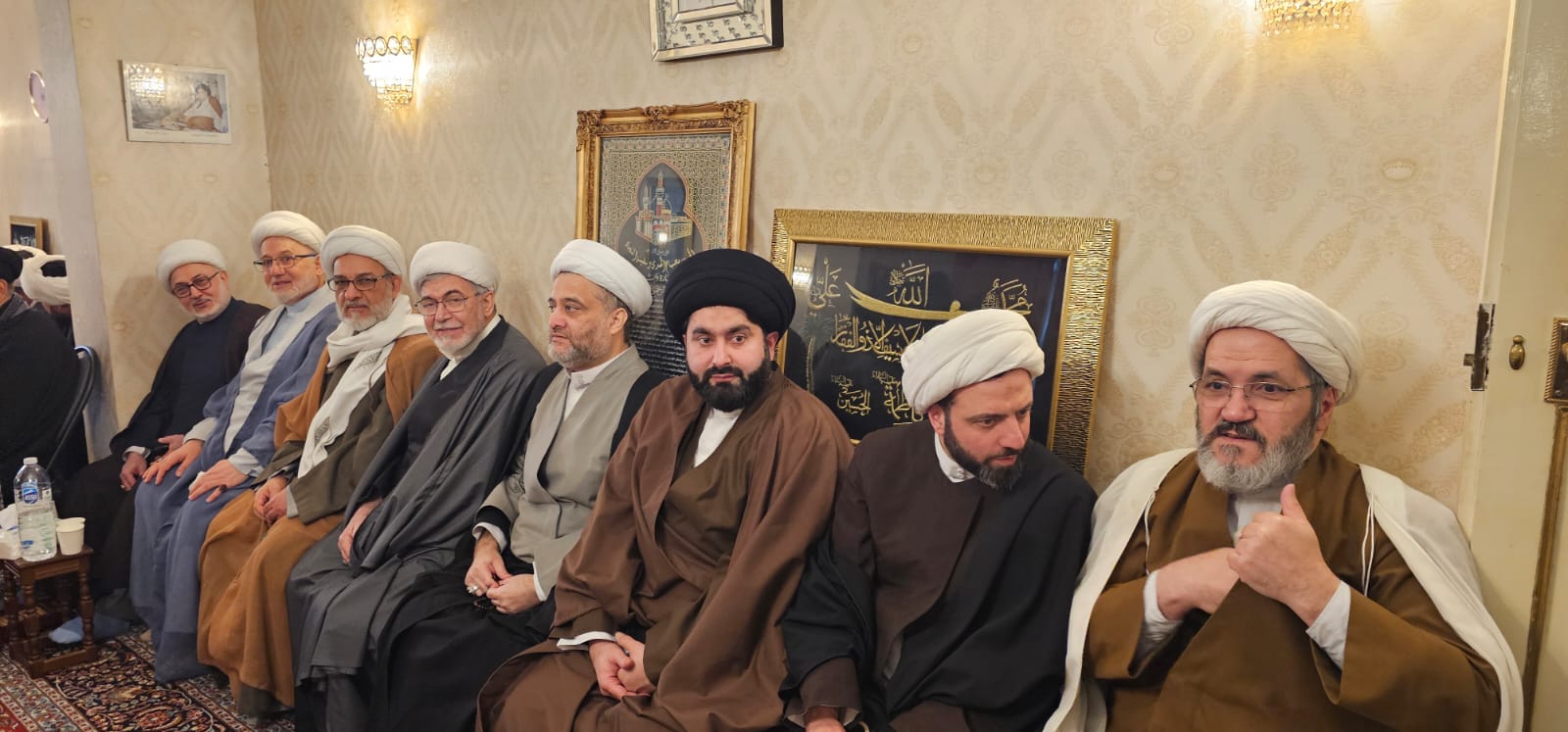
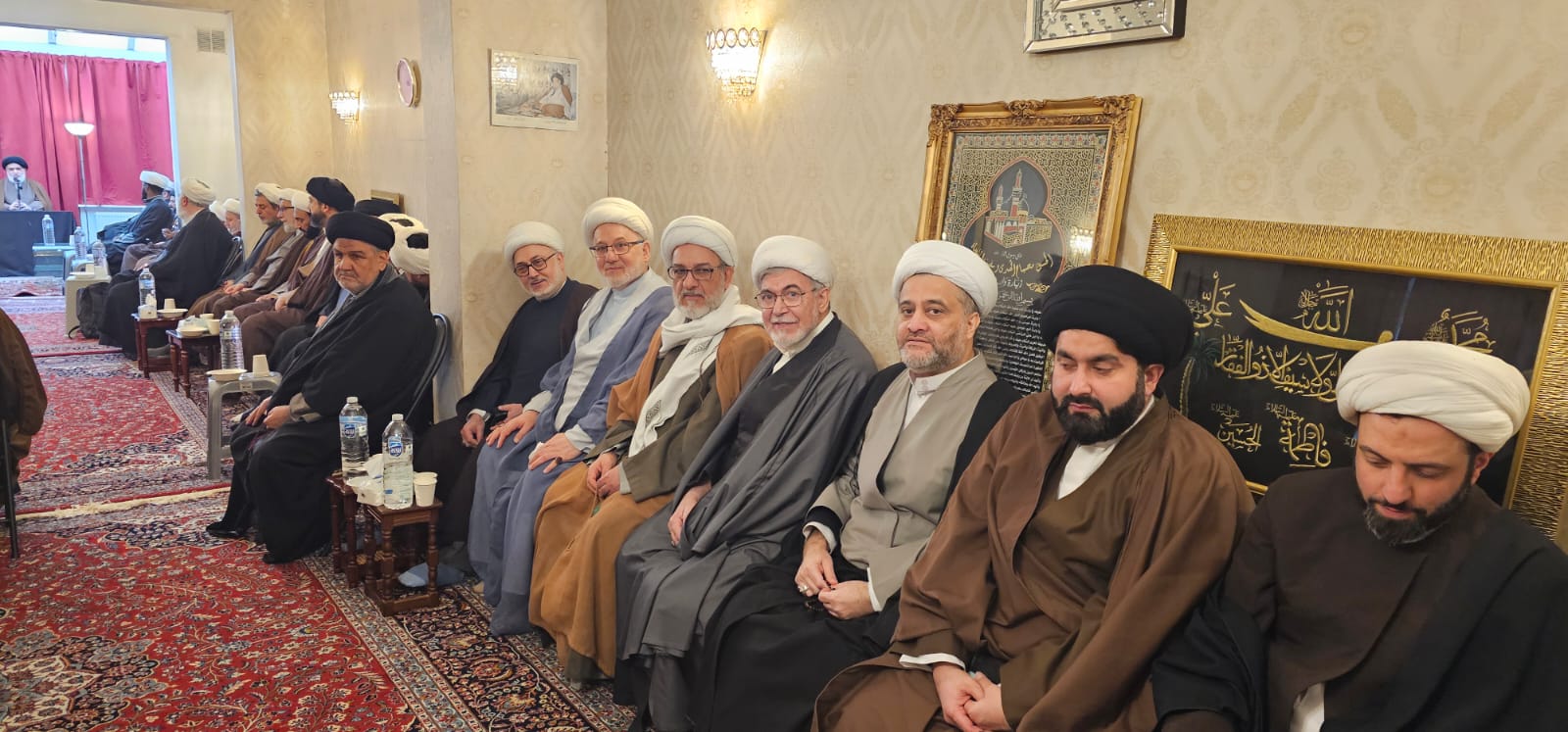
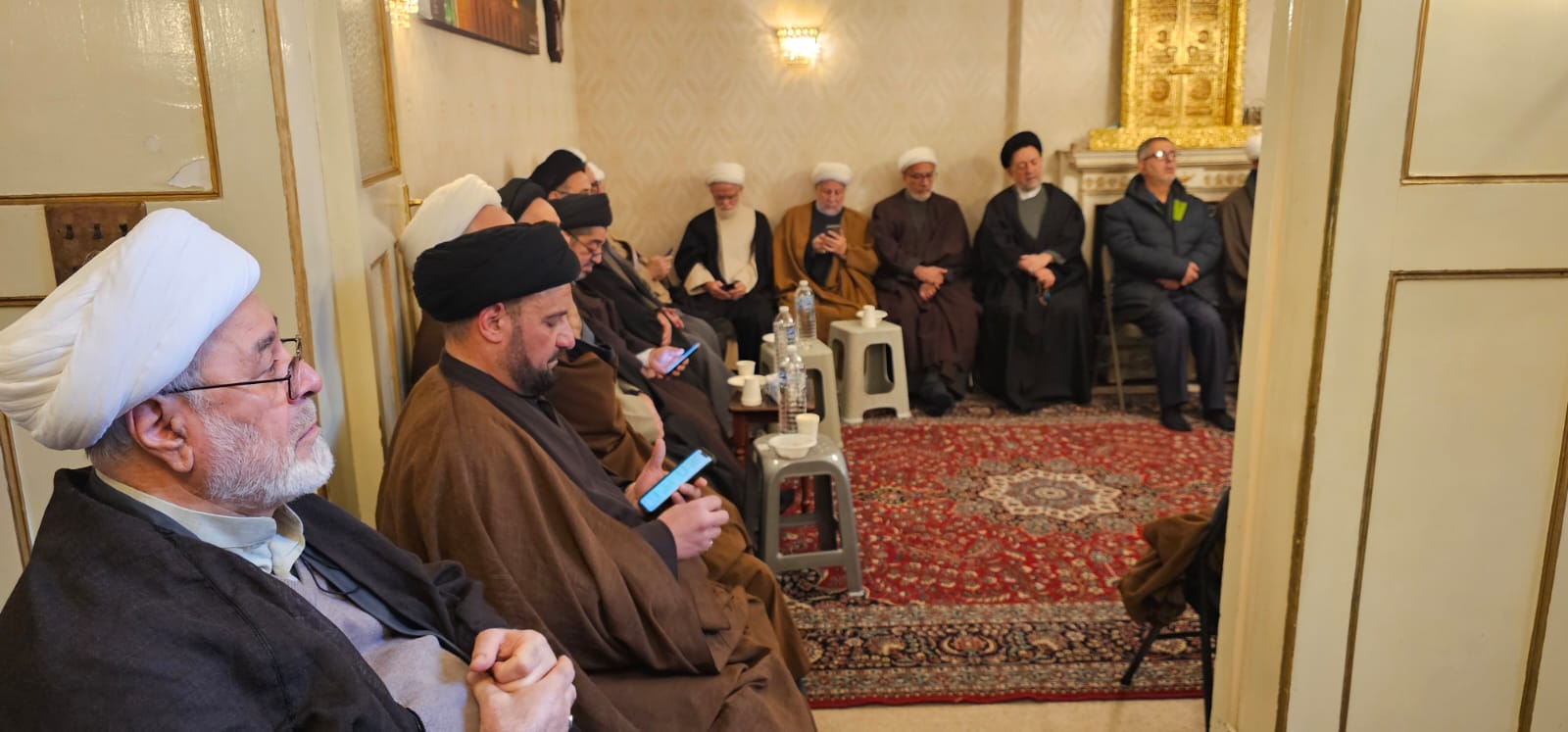
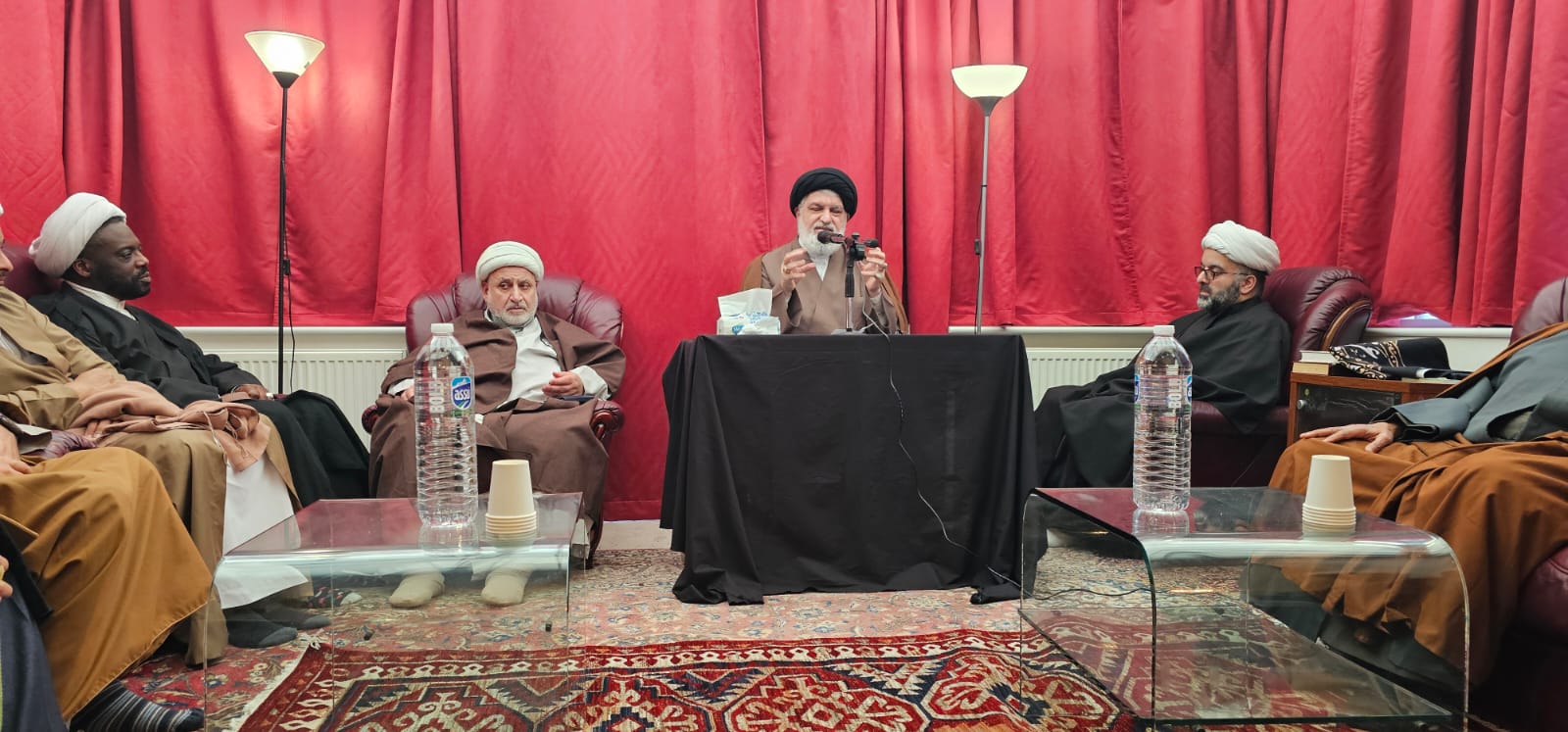
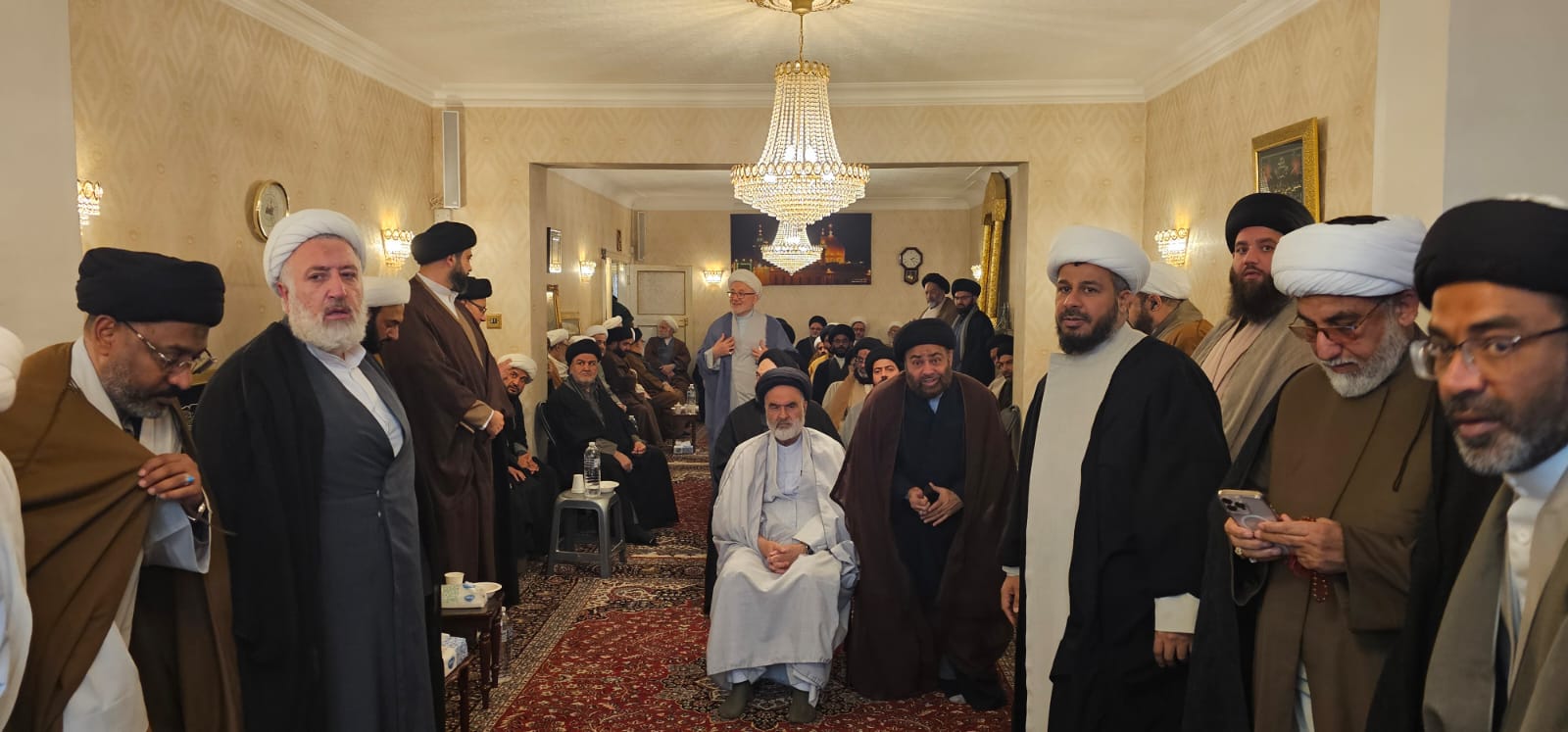
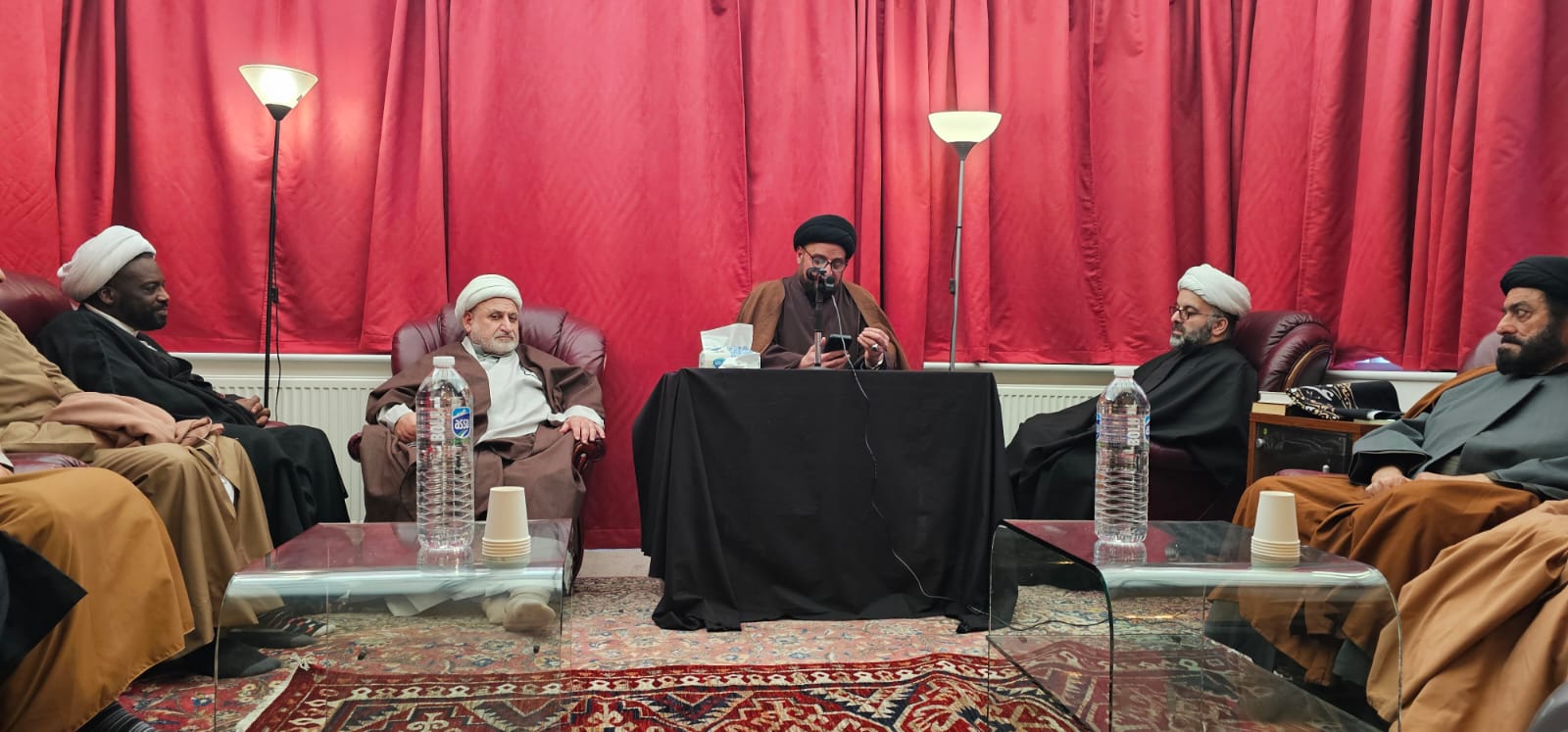
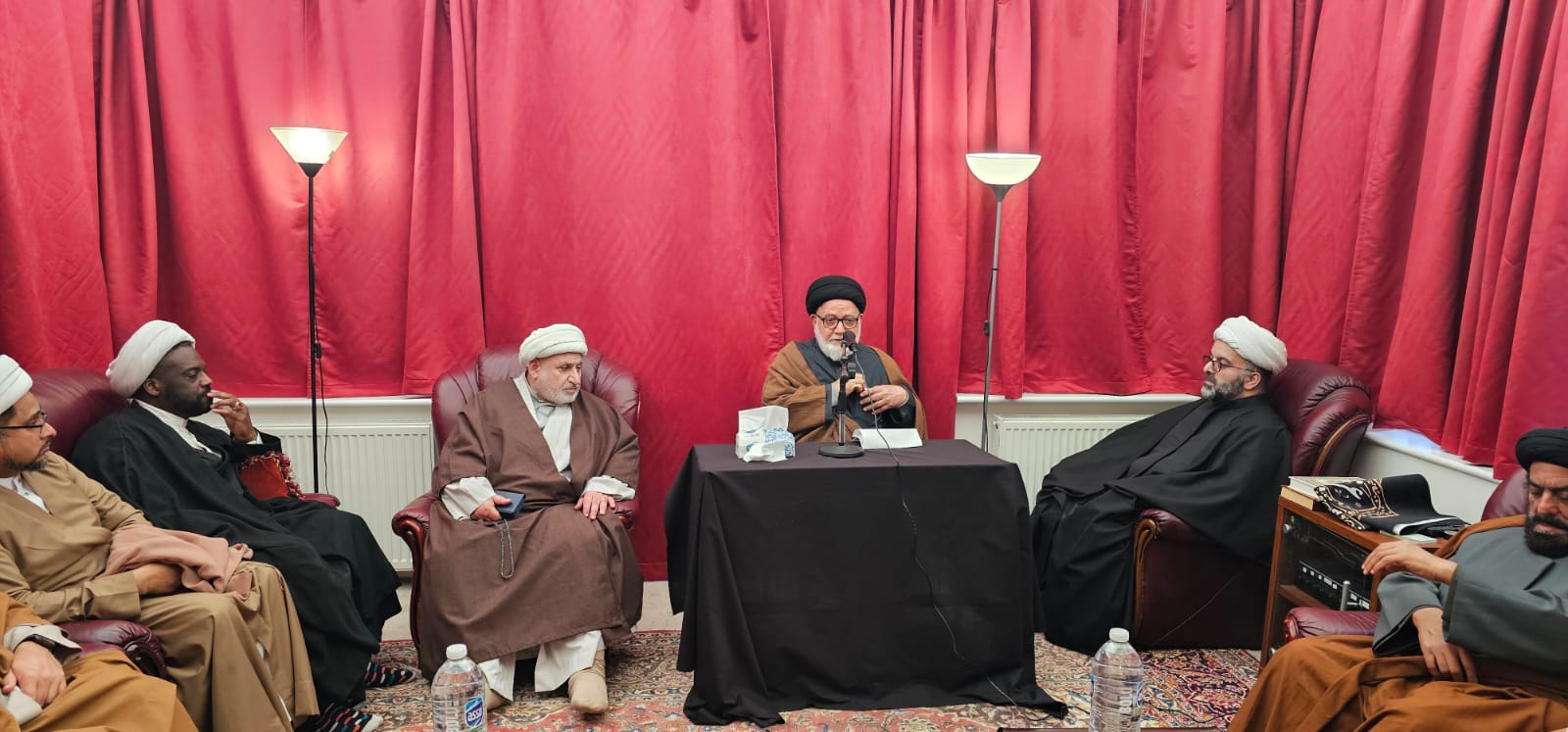
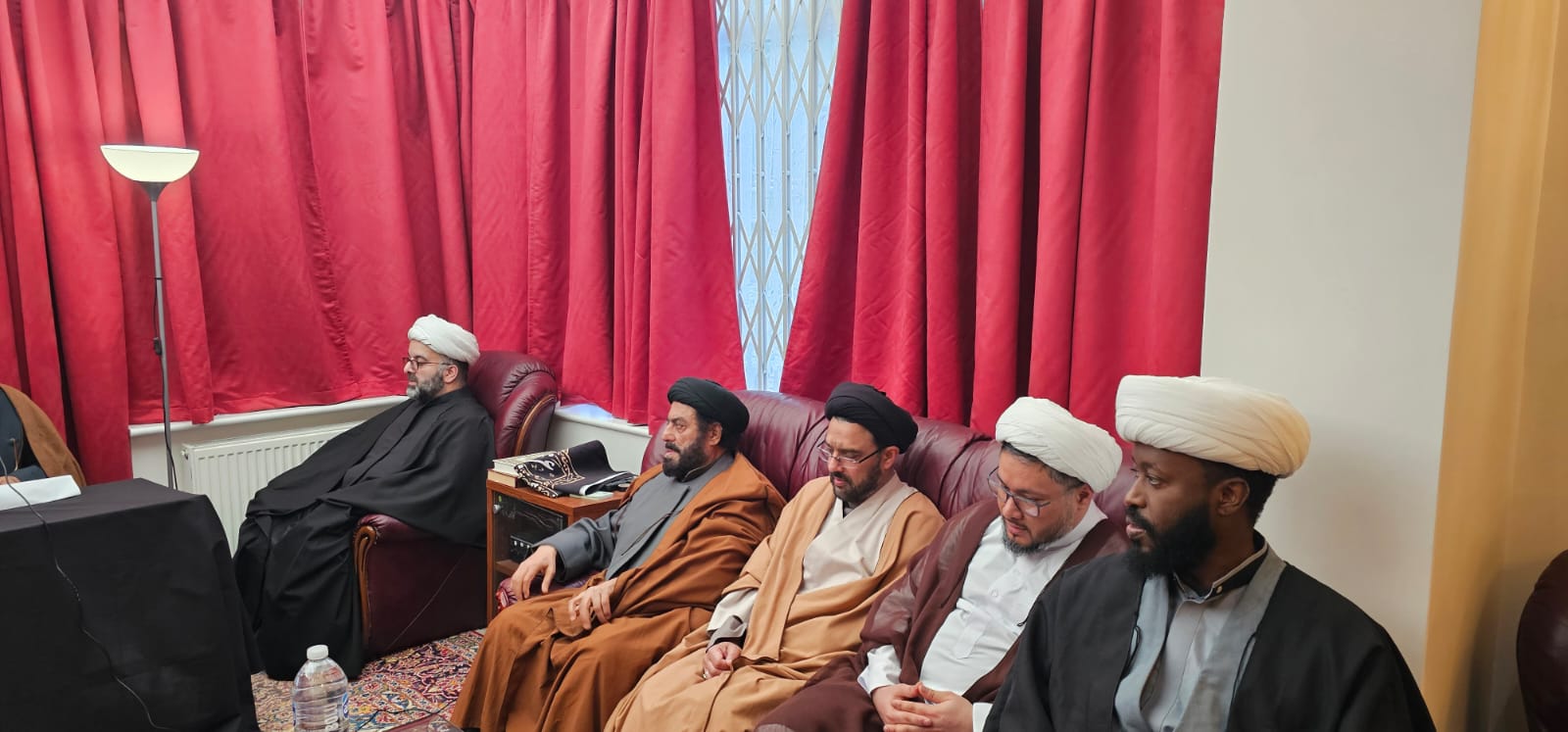
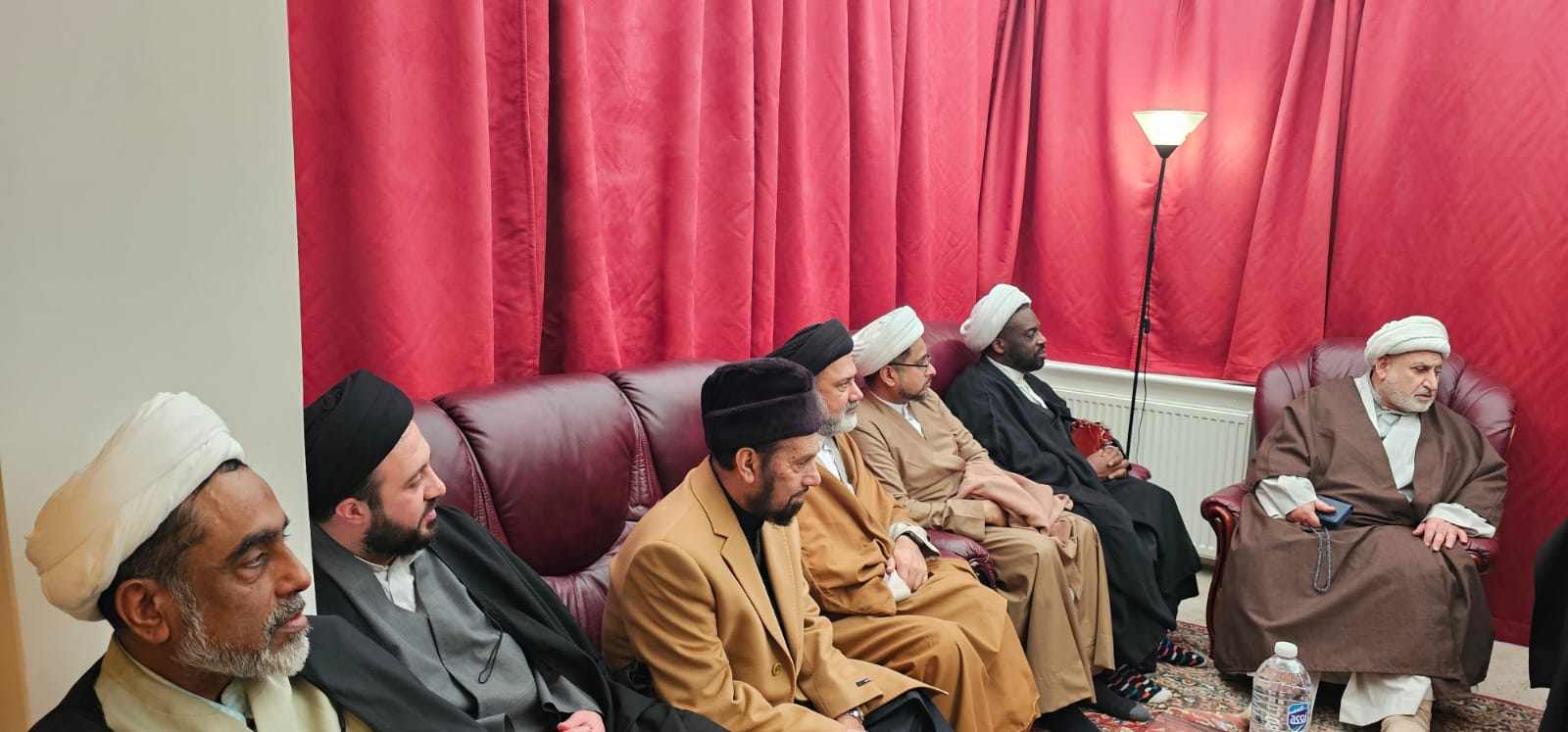
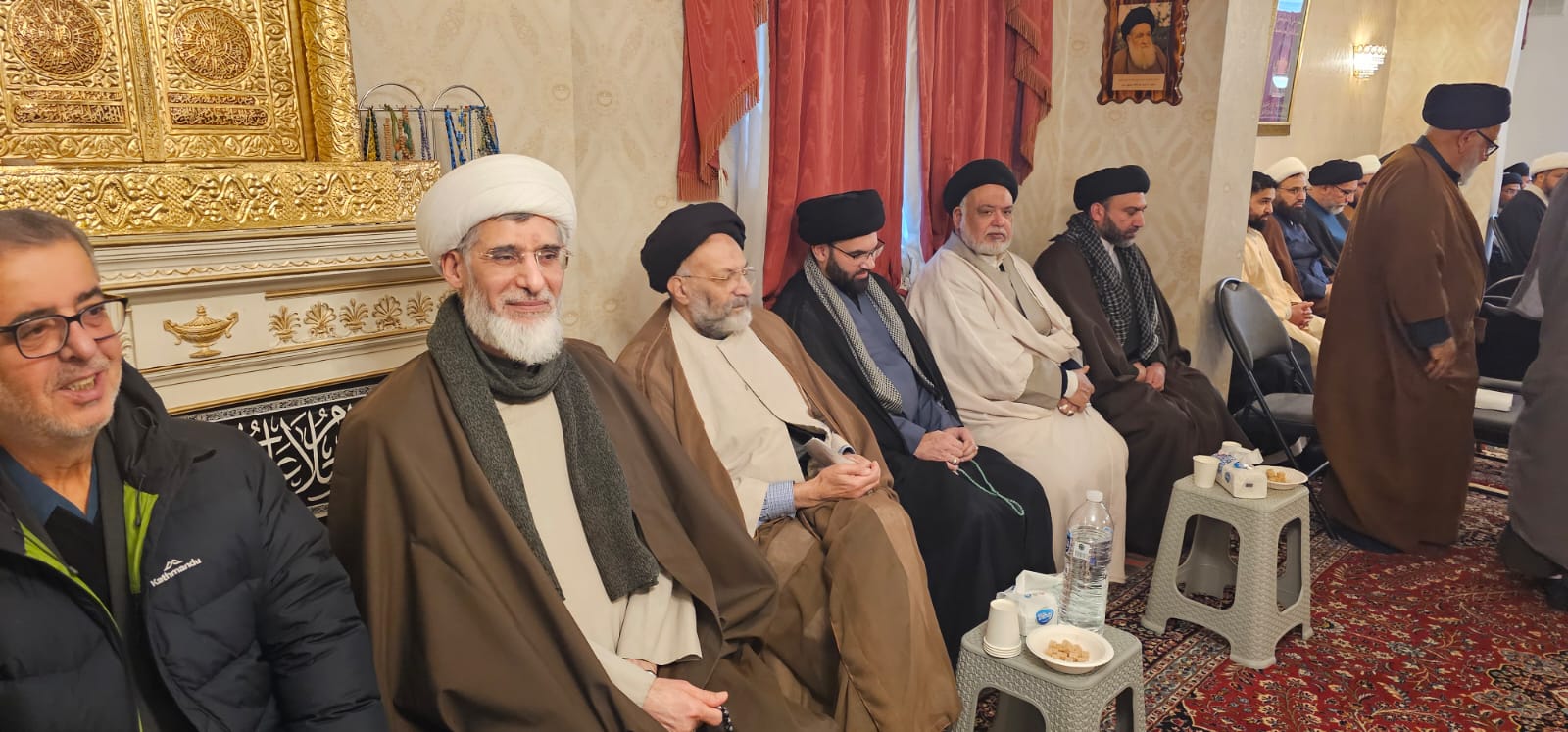
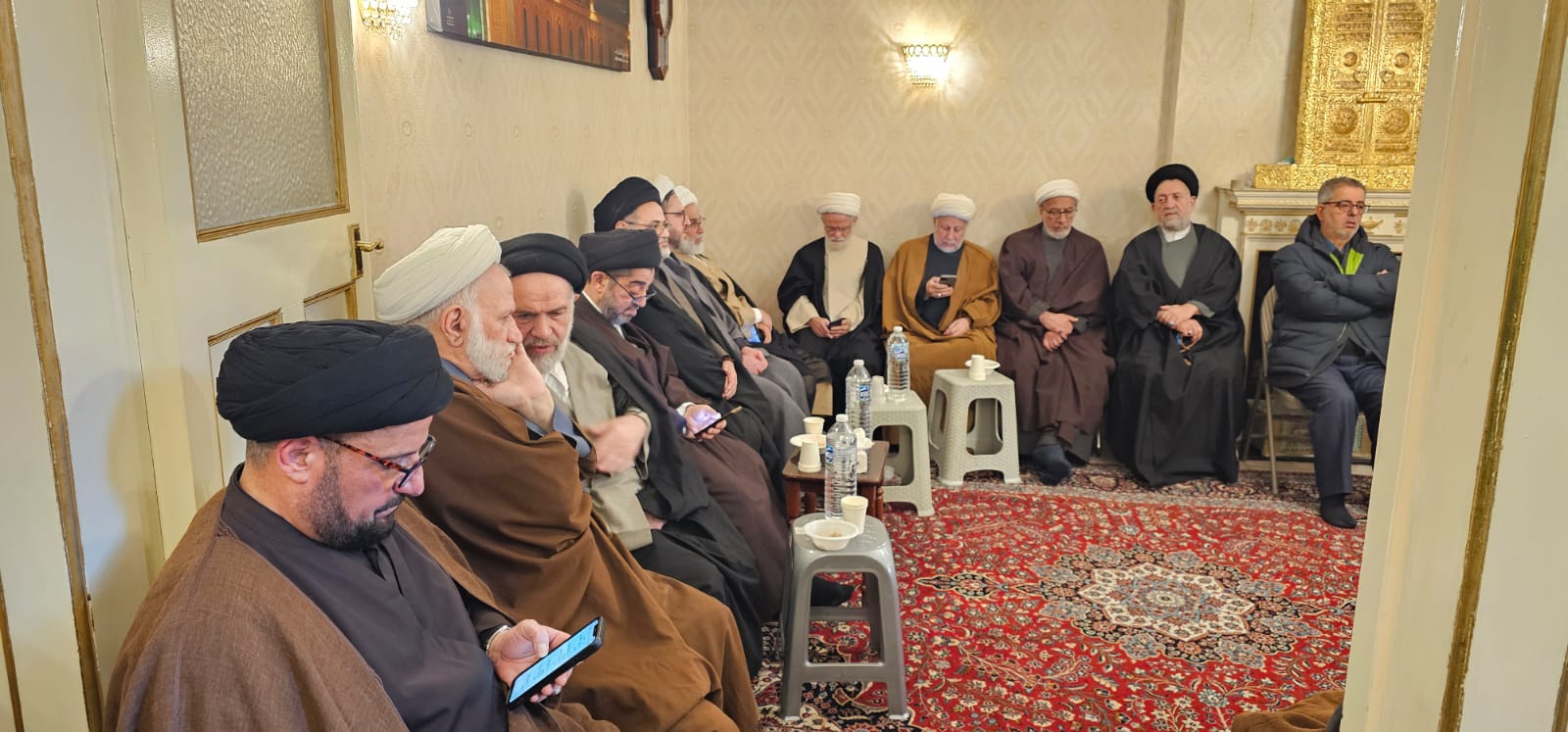
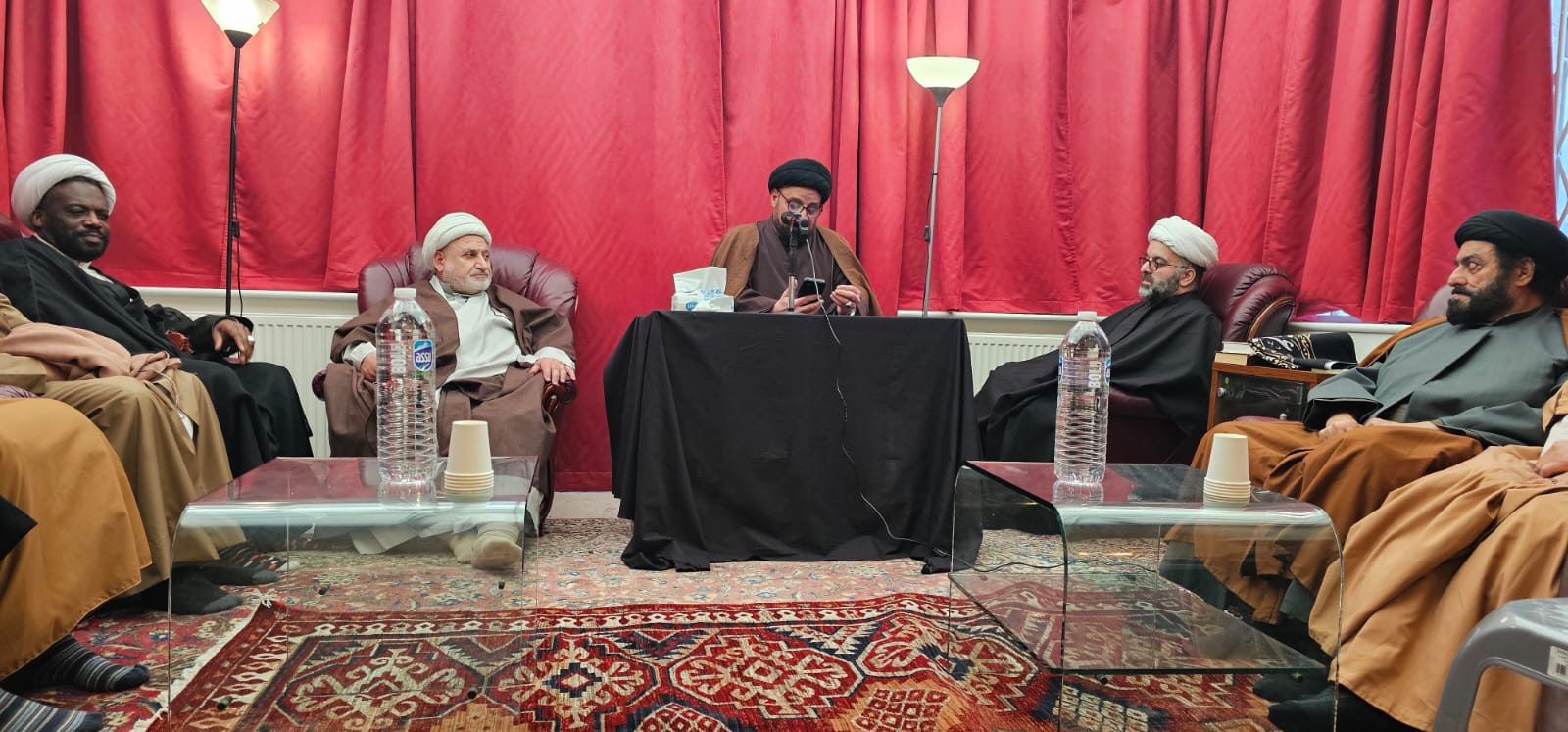
On the occasion of the end of the blessed month of Sha‘ban and the advent of the holy month of Ramadan, the Imam Ali (p) Foundation in London held a gathering for speakers and preachers attended by approximately 140 participants. Addresses were delivered on this occasion concerning the noble month, what should be undertaken during it, and the duties of the individual in living its days, nights, and hours.
The Representative of the Supreme Religious Authority, Sayyid Murtadha al-Kashmiri, delivered remarks that included important directives to the preachers, comprising the following recommendations:
First: The religious responsibility of those present is to guide others to their religious obligations, a responsibility borne by the prophets, messengers, speakers, and preachers, and indeed by every individual who is qualified to advise others—especially in this era in which trials have proliferated and individuals are constantly exposed to doubts regarding their beliefs and religion through social media, which has become accessible to the young before the old. He conveyed that the Supreme Religious Authority, Sayyid al-Sistani (may Allah prong his life) sends his greetings, prayers, and best wishes to them and that they should understand their mission is not honorary but duty-bound. Among the matters most emphasized by the Religious Authority is that the believer must be an example in truthfulness, trustworthiness, respect for others, and service to society. A successful preacher is one in whose conduct people see a translation of what he calls others to. Words unsupported by noble character lose their impact no matter how eloquent they may be, as the Almighty says, “O you who believe, why do you say what you do not do? It is most hateful in the sight of Allah that you say what you do not do,” (Quran 61: 2-3 ) and as the Imam Ali (peace be upon him) said, “The teacher of people is more entitled to teach himself.” He also referred to the recommendations of the Supreme Religious Authority, including sincerity and selflessness in work, for preaching is an act of worship before it is a profession, and a legal responsibility before it is a social position. Let the preacher’s concern be fulfilling his duty, not seeking fame or personal victory; let his voice be the voice of truth and his word a word of reform, away of personal interests.
Second: Wisdom in discourse, as the Almighty says, “Call to the way of your Lord with wisdom and good exhortation.” (Quran 16: 125). The nature of today’s societies requires a rational and balanced discourse that respects people’s intellects and addresses them in their language, presenting Islam as a project of mercy, justice, and humanity—not a discourse of confrontation or isolation. The Supreme Religious Authority consistently stresses that believers should be a source of goodness and peace within their societies, committed to the law, respectful of regulations, and active participants in all that serves the common good.
Third: Preserving unity and avoiding the stirring of internal disputes or side conflicts that weaken the community and distort the image of religion. The Religious Authority calls for prioritizing common ground, addressing differences in a spirit of brotherhood, and keeping the pulpit and the mosque from becoming arenas for settling scores or deepening division.
Fourth: Caring for youth and the emerging generation, for they are the trust of the future. Efforts must be made to embrace them, understand their intellectual and cultural challenges, answer their questions in contemporary language, and protect them from dissolution or deviation. Losing an entire generation of diaspora is not merely a loss of individuals, but a loss of identity and mission.
Fifth: Refraining from involvement in partisan political conflicts or exploiting the religious podiums for purposes that do not serve the message. The Supreme Religious Authority is keen that the pulpit remain a place of trust for all—free from polarization, unifying rather than dividing, guiding rather than inciting.
In conclusion, Sayyid Murtadha said, “Generally, the existence of believers in these lands, and preachers in particular, is not a historical coincidence but an opportunity and a responsibility: an opportunity to introduce the world to the true teachings of the school of Ahl al-Bayt (peace be upon them), and a responsibility to safeguard the community and protect its members. Let them be, as God has willed, callers to the truth”.
He concluded it with blessing of Quranic verse: “And say, ‘Work, for Allah will see your deeds, and so will His Messenger and the believers; and you will be returned to the Knower of the unseen and the witnessed, and He will inform you of what you used to do.’” (Qiran 9:105).
×![]()